Concrete is one of the most durable building materials used in modern construction, making it ideal for everything from residential driveways and footpaths to warehouses, roads, and industrial facilities. However, despite its strength, concrete is constantly affected by movement. As temperatures rise and fall, moisture levels change, and the ground naturally settles, concrete expands and contracts. Without a way to accommodate this movement, cracks are almost inevitable.
This is where Expansion Joint Cutting becomes essential. Properly designed expansion joints allow concrete to move safely without placing excessive stress on the slab. Rather than allowing random cracks to form, these joints provide controlled spaces that protect the structural integrity of the concrete and help extend its service life. If your project also involves precision cutting or structural modifications, Rapid Sawing & Drilling’s Concrete Cutting Services provide accurate and reliable solutions for residential, commercial, and civil construction projects.
Whether you’re constructing a new commercial warehouse, upgrading a car park, or installing a residential driveway, understanding the purpose of expansion joints can help you avoid expensive repairs and improve the long-term performance of your concrete.
Key Takeaways
- Expansion joints allow concrete to expand and contract without causing structural damage.
- Professional Expansion Joint Cutting helps minimise random cracking and surface deterioration.
- Correct joint spacing improves the strength, durability, and lifespan of concrete slabs.
- Well-planned expansion joints reduce long-term maintenance and repair costs.
- Professional concrete cutting ensures accurate joint placement and long-lasting performance.
Why Does Concrete Crack?
Many people assume that cracks indicate poor-quality concrete, but this isn’t always the case. Even professionally installed concrete will experience movement throughout its lifespan. The real issue is not whether concrete moves, it’s whether that movement has been properly managed.
Without expansion joints, the stress created by natural movement has nowhere to go. As pressure builds within the slab, it eventually finds the weakest point, resulting in visible cracks that may continue to worsen over time.
Several factors contribute to concrete cracking.
Shrinkage During the Curing Process
Fresh concrete contains a significant amount of water. As it cures, moisture gradually evaporates and the concrete begins to shrink. This shrinkage is a normal part of the curing process, but it also creates internal tension within the slab.
If expansion joints have not been planned correctly, the concrete relieves this stress by forming random cracks across the surface. While some cracks appear small initially, they can widen over time as traffic loads and weather conditions place additional stress on the slab.
Temperature Changes
Concrete naturally expands in warm weather and contracts when temperatures fall. In Australia, where many regions experience significant seasonal and daily temperature variations, this repeated cycle of expansion and contraction places continuous stress on concrete surfaces.
Without properly positioned expansion joints, the slab cannot absorb this movement effectively. Over time, the resulting pressure may lead to cracking, edge damage, or uneven concrete that requires costly repairs.
Heavy Traffic and Structural Loads
Commercial and industrial concrete surfaces are subjected to constant pressure from vehicles, forklifts, heavy machinery, and equipment. Every load placed on the slab contributes to internal stress, particularly when combined with natural expansion and contraction.
Expansion joints help distribute these forces more effectively by allowing controlled movement, reducing the risk of structural damage and helping the concrete perform as intended over many years.
What Is Expansion Joint Cutting?
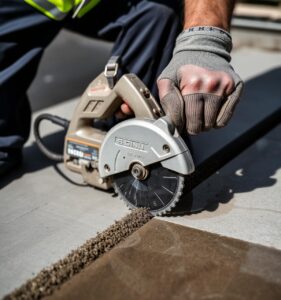
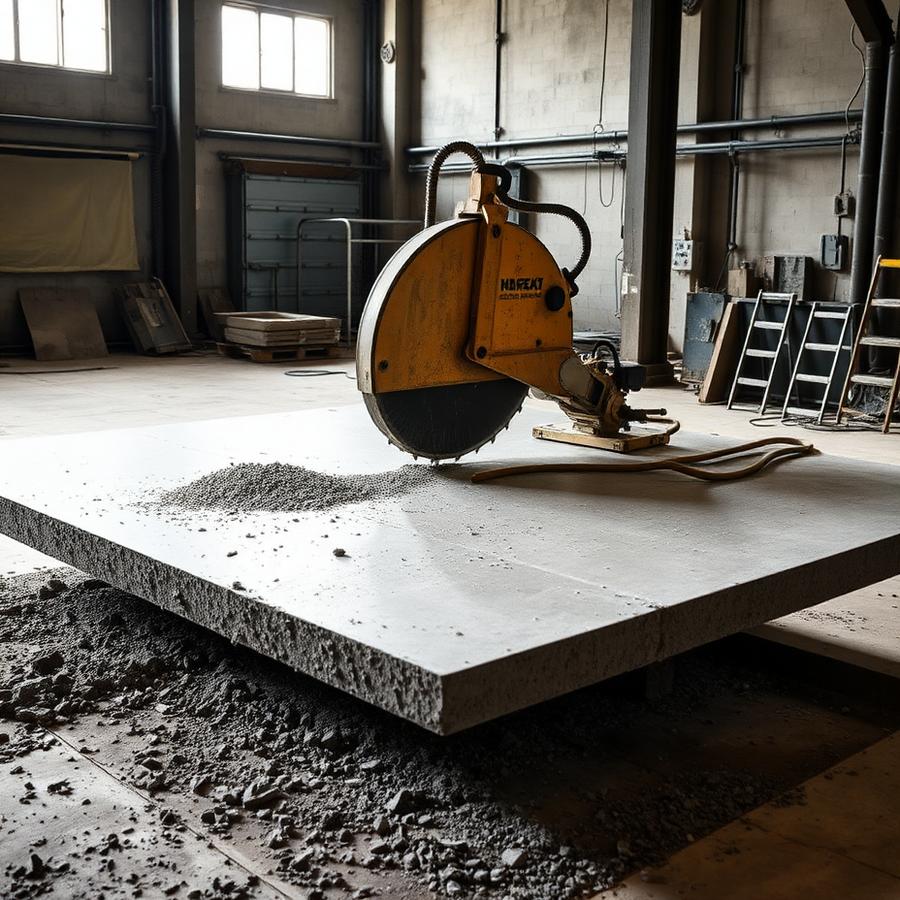
Expansion Joint Cutting is the process of creating carefully planned joints within a concrete slab to accommodate natural movement caused by temperature changes, curing shrinkage, and external loads. Instead of allowing concrete to crack unpredictably, these joints act as controlled movement zones where expansion and contraction can occur safely.
The effectiveness of an expansion joint depends on more than simply making a saw cut. Contractors must determine the correct location, spacing, depth, and timing based on several project-specific factors, including:
- Slab thickness
- Concrete mix and strength
- Reinforcement design
- Expected traffic loads
- Site conditions
- Environmental exposure
- Overall project layout
Because every construction project is different, there is no universal formula for expansion joint placement. Professional concrete cutting contractors assess each project individually to ensure the joints provide maximum protection while supporting the long-term performance of the structure.
The Key Benefits of Professional Expansion Joint Cutting
Installing expansion joints is not simply a construction requirement—it’s a long-term investment in the performance and durability of concrete. When joints are cut correctly, they help protect the slab from damage, improve safety, and reduce maintenance throughout its lifespan.
Prevents Uncontrolled Concrete Cracking
Concrete is incredibly strong under compression, but it has limited flexibility. As it cures, expands in hot weather, contracts in cooler temperatures, or responds to ground movement, stress begins to build within the slab. Without designated movement points, that stress is eventually released through random cracks.
Professional Expansion Joint Cutting creates planned locations where concrete can safely expand and contract. Rather than allowing cracks to develop unpredictably across the surface, the joints absorb the movement and minimise stress on the surrounding concrete.
This is particularly important for large concrete slabs used in warehouses, factories, shopping centres, and industrial facilities, where uncontrolled cracking can compromise both appearance and structural performance.
Extends the Lifespan of Concrete Structures
Replacing damaged concrete is significantly more expensive than preventing damage in the first place. Expansion joints help preserve the structural integrity of concrete by reducing internal pressure before it causes visible deterioration.
When movement is controlled effectively, slabs are less likely to develop major cracks, edge spalling, or uneven sections. This means the concrete remains stronger for longer, reducing the frequency of repairs and extending the life of the entire structure.
For commercial property owners and developers, this translates into lower maintenance costs and a better return on investment over the lifespan of the project.
Improves Safety for People and Equipment
Cracked or uneven concrete is more than just an aesthetic issue, it can become a serious safety hazard. Uneven slabs increase the risk of trips and falls for pedestrians, while damaged concrete can affect the movement of forklifts, pallet jacks, vehicles, and heavy machinery.
Properly planned expansion joints help maintain smoother, more even concrete surfaces by allowing movement to occur in controlled areas. This improves safety in busy environments such as warehouses, manufacturing facilities, shopping centres, public walkways, and commercial car parks.
Maintaining safe concrete surfaces is particularly important for businesses, where damaged flooring can lead to operational disruptions and potential liability issues.
Reduces Long-Term Maintenance and Repair Costs
Small cracks rarely stay small. Over time, water, dirt, and other contaminants can enter these openings, accelerating deterioration and weakening the surrounding concrete. In some cases, property owners may need to replace entire sections of the slab instead of carrying out simple repairs.
Professional Expansion Joint Cutting significantly reduces this risk by controlling where movement occurs from the beginning. Well-designed joints minimise unexpected damage, helping property owners avoid costly repairs, downtime, and unnecessary disruption to their operations.
Although expansion joint cutting represents a relatively small part of the overall construction process, it often delivers substantial long-term savings.
Where Is Expansion Joint Cutting Commonly Used?
Expansion joints are used in a wide variety of residential, commercial, industrial, and civil construction projects. Any concrete surface that is exposed to temperature changes, heavy traffic, or natural ground movement can benefit from professionally installed expansion joints.
Some of the most common applications include:
- Residential driveways and pathways
- Commercial warehouse floors
- Factory and manufacturing facilities
- Shopping centre car parks
- Concrete pavements and footpaths
- Roads and highways
- Airport runways and transport infrastructure
- Loading docks and distribution centres
- Industrial yards and hardstands
Many of these projects also require complementary services such as concrete slab cutting, road sawing, or diamond concrete cutting. Using experienced specialists ensures each cutting method is completed accurately, helping the entire concrete structure perform as intended.
Common Mistakes That Reduce the Effectiveness of Expansion Joints
Even when expansion joints are included in a project, poor planning or incorrect installation can reduce their effectiveness.
Some of the most common mistakes include:
- Cutting joints too late after the concrete has already begun to crack.
- Incorrect joint spacing that fails to accommodate natural movement.
- Cutting joints too shallow to properly relieve internal stress.
- Ignoring environmental conditions such as temperature and soil movement.
- Using unsuitable equipment that produces uneven or inaccurate cuts.
Working with an experienced concrete cutting contractor helps avoid these issues. Professional operators understand how factors such as slab thickness, reinforcement, expected traffic loads, and site conditions influence the placement and depth of expansion joints, ensuring they deliver the protection the concrete was designed to provide.
Following recognised Australian construction standards is also important when planning concrete works, as industry guidelines help ensure projects are completed with appropriate safety, quality, and durability considerations. Learn more about Australian construction standards and industry requirements through Standards Australia.
Conclusion: Protect Your Concrete Investment with Professional Expansion Joint Cutting
Concrete is designed to last for decades, but its long-term performance depends on how well it accommodates natural movement. Without properly planned expansion joints, even high-quality concrete can develop cracks, uneven surfaces, and structural damage that lead to costly repairs and ongoing maintenance.
Professional Expansion Joint Cutting provides a simple yet highly effective solution by allowing concrete to expand and contract safely. Whether you’re constructing a residential driveway, commercial warehouse, industrial facility, or public infrastructure, accurately cut expansion joints help improve durability, enhance safety, and extend the lifespan of the finished surface.
At Rapid Sawing & Drilling, experienced operators use advanced equipment and proven techniques to deliver precise expansion joint cutting for projects of all sizes. By investing in professional services from the beginning, you can minimise future repair costs and ensure your concrete performs as intended for years to come.
Need Reliable Expansion Joint Cutting?
If you’re planning a new concrete project or need expansion joints installed in an existing slab, the team at Rapid Sawing & Drilling is here to help. With extensive industry experience, specialised equipment, and a commitment to precision, they provide tailored concrete cutting solutions that meet the demands of residential, commercial, and civil construction projects.
Contact Rapid Sawing & Drilling today to discuss your project and discover how professional Expansion Joint Cutting can protect your investment.
Frequently Asked Questions
1. What is the purpose of expansion joint cutting?
Expansion joint cutting creates controlled spaces within concrete that allow it to expand and contract naturally. This helps prevent random cracking, reduces structural stress, and improves the lifespan of the concrete.
2. When should expansion joints be cut?
Expansion joints should be cut after the concrete has gained enough strength to prevent edge damage but before shrinkage cracks begin to form. The exact timing depends on factors such as the concrete mix, weather conditions, and slab thickness.
3. Where are expansion joints commonly used?
Expansion joints are commonly installed in driveways, footpaths, warehouse floors, commercial buildings, industrial facilities, roads, airports, bridges, and other large concrete surfaces where movement is expected.
4. Why should I hire professionals for expansion joint cutting?
Professional contractors use specialised equipment and industry expertise to determine the correct joint spacing, depth, and layout. This ensures the joints effectively control concrete movement, reduce cracking, and maximise the durability of the finished structure.