
Concrete cutting cost depends on several factors, including the thickness of the concrete, cutting method, project size, access conditions, and equipment required. In Australia, prices can vary significantly between residential and commercial projects, so understanding what affects the final quote helps you plan your budget with confidence.
Concrete cutting is a specialised service used for projects such as creating openings, removing concrete sections, installing services, and modifying existing structures. Whether you are renovating a home, upgrading a commercial property, or preparing a construction site, knowing the potential costs involved can help avoid unexpected expenses.
What Factors Influence Concrete Cutting Cost?
The total price of a concrete cutting project is not based on one simple measurement. Professionals consider several details before providing an accurate estimate. The main factors include:
- Concrete thickness and strength: Thicker slabs, reinforced concrete, and heavily structured areas require more powerful equipment and additional labour.
- Cutting method required: Different techniques, such as wall sawing, floor sawing, core drilling, or hand sawing, have different time and equipment requirements.
- Project size: Larger jobs may require more preparation, machinery, and workers, while smaller residential tasks may have simpler requirements.
- Site accessibility: Difficult-to-reach areas, restricted spaces, or locations requiring extra safety measures can affect project time.
- Waste removal: Cutting concrete creates debris that may need to be removed and disposed of correctly.
Understanding these factors allows property owners, builders, and contractors to make informed decisions before work begins.
How Concrete Cutting Methods Affect Pricing
The method used for cutting concrete plays an important role in determining the overall investment. Different applications require different tools and techniques to achieve accurate results without damaging surrounding structures.
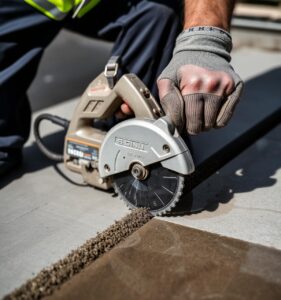
Concrete sawing is commonly used for straight cuts in slabs, driveways, roads, and floors. This method is often required when creating expansion joints, removing sections of concrete, or preparing areas for new installations.
Core drilling is another common technique used for creating precise circular openings. It is frequently required for plumbing, electrical, ventilation, and mechanical installations where accuracy is essential.
Wall sawing is used for vertical or angled cuts, often during major renovations or commercial construction projects. This technique allows professionals to create controlled openings in concrete walls while maintaining structural integrity.
At Rapid Sawing & Drilling, experienced operators assess each project individually to determine the safest and most efficient approach for the job.
Why Accurate Planning Matters Before Concrete Cutting
Proper planning can help reduce delays and prevent unnecessary costs. Before starting a concrete cutting project, it is important to consider the location of existing services, access requirements, and the purpose of the cut.
For example, cutting into a concrete slab without identifying underground plumbing or electrical services can lead to costly repairs. Professional contractors use industry knowledge and appropriate equipment to minimise risks and complete work efficiently.
Australian construction projects may also need to consider relevant workplace safety requirements, including safe equipment operation, dust control, noise management, and site protection measures. Following proper procedures helps protect workers, property owners, and surrounding areas.
How to Prepare Your Site Before Concrete Cutting Begins
You can help your project run smoothly by preparing the area before contractors arrive. Some simple steps include:
- Clear furniture, equipment, vehicles, or other obstacles from the work area.
- Confirm access points so machinery and workers can safely reach the cutting location.
- Identify any known underground services or structural details.
- Discuss dust, water management, and debris removal requirements beforehand.
- Ensure surrounding areas are protected from potential damage.
Good preparation reduces downtime and allows professionals to focus on completing precise concrete work.
Common Applications That Require Concrete Cutting Services
Concrete cutting is used across many Australian residential, commercial, and industrial projects. Some common examples include:
- Creating openings for doors, windows, and renovations
- Installing plumbing or electrical services
- Removing damaged concrete sections
- Preparing floors for new installations
- Modifying commercial buildings
- Supporting demolition and construction work
- Cutting concrete slabs, walls, and foundations
Because every project has different requirements, obtaining a professional assessment is the best way to understand the expected scope and timeline.
Is Professional Concrete Cutting Worth the Investment?
Attempting concrete cutting without the correct equipment or experience can create safety risks and may result in uneven cuts, structural damage, or unnecessary repairs. Professional operators have access to specialised machinery designed to complete accurate cuts while managing hazards such as dust, vibration, and debris.
The right contractor will also understand how to work around existing structures and follow appropriate safety procedures. While the upfront price is an important consideration, quality workmanship can help prevent expensive problems later.
When comparing quotes, look beyond the initial figure and consider experience, equipment, safety practices, and the ability to complete the work correctly.
When to Call a Professional
You should contact a professional concrete cutting specialist when your project involves structural concrete, reinforced slabs, complex access conditions, or precision requirements. Experienced contractors can assess your site, recommend the right cutting method, and provide guidance based on your specific needs.
Rapid Sawing & Drilling provides professional concrete cutting solutions across Australia, helping residential, commercial, and construction clients complete projects safely and efficiently. Contact the team to discuss your requirements and arrange an assessment for your upcoming concrete work.
Conclusion
Understanding concrete cutting cost helps you prepare your project budget and make informed decisions before work begins. Factors such as concrete type, cutting technique, site conditions, and project requirements all influence the final price.
Choosing an experienced concrete cutting provider ensures the job is completed with accuracy, safety, and the right equipment for the task. If you need reliable advice or professional concrete cutting services, Rapid Sawing & Drilling can help you find the right solution for your project.
FAQ
What is the average concrete cutting cost in Australia?
The price varies depending on the size of the job, concrete thickness, access, and cutting method. A professional assessment is the best way to receive an accurate estimate.
Why does reinforced concrete cost more to cut?
Reinforced concrete contains steel reinforcement that requires specialised equipment and additional time to cut safely and accurately.
Can concrete cutting be completed during renovations?
Yes. Concrete cutting is commonly used during renovations for creating openings, installing services, and modifying existing structures.
How can I reduce the cost of a concrete cutting project?
Clear site preparation, providing easy access, and discussing requirements early with your contractor can help improve efficiency and reduce unnecessary delays.