Concrete looks solid, but cutting it properly is not a job for guesswork. Whether you are opening a concrete slab for plumbing, making a wall opening, preparing a driveway for removal or creating space for new services, the quality of the cut can affect everything that follows.
A professional concrete cutting contractor brings specialized equipment, practical site experience and a better understanding of how concrete behaves during cutting. That matters on residential renovations just as much as it does on commercial construction and civil projects.
For Melbourne projects, the right cutting method can help keep the work accurate, reduce unnecessary damage and allow other trades to continue without avoidable delays. Rapid Sawing & Drilling provides concrete cutting, sawing and drilling services across Melbourne and surrounding areas, working with builders, trades, homeowners and civil crews.
What Does a Concrete Cutting Contractor Actually Do?
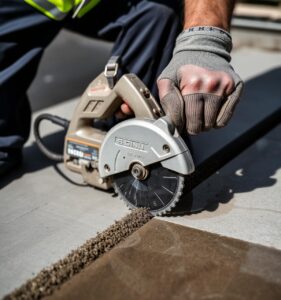
A concrete cutting contractor uses specialized saws, diamond blades, drills and other equipment to modify or remove concrete in a controlled way. The work can involve slabs, floors, walls, driveways, pathways, roads and other concrete structures.
The exact method depends on what needs to be achieved. A straight slab cut is different from creating a large wall opening, while a round service penetration requires a different approach again.
Professional concrete cutting may be required for:
- Creating openings for plumbing and electrical services
- Cutting concrete slabs and floors
- Preparing expansion joints
- Opening walls for doors or windows
- Road and asphalt cutting
- Preparing concrete for controlled removal
- Creating service penetrations
- Supporting renovation, commercial and civil works
The job is not simply about putting a blade against concrete and cutting through it. The contractor needs to consider the depth, location, surrounding structure, access and purpose of the cut before work begins.
Why Is Professional Concrete Cutting Important?
Poorly planned cutting can create problems that are expensive to fix. A cut that is too deep, too wide or placed incorrectly may interfere with surrounding concrete or make the next stage of construction more difficult.
A professional concrete cutting contractor approaches the job with the final result in mind. Instead of treating the cut as an isolated task, they consider how it fits into the wider project.
That is particularly useful when several trades are working on the same site. Builders, plumbers, electricians and other contractors may all depend on accurate openings being completed at the right time.
The Rapid Sawing & Drilling approach is centred on accurate work, practical site coordination and keeping projects moving. The company’s website notes that its services are used by builders, plumbers, electricians, homeowners, commercial contractors and civil crews across Melbourne.
7 Reasons to Choose a Professional Concrete Cutting Contractor
1. Better Cutting Accuracy
Accuracy is one of the biggest reasons to use an experienced contractor.
Concrete cutting often involves measurements that need to match another part of the project. A plumbing penetration, wall opening or slab cut cannot simply be placed wherever it is convenient. It needs to be positioned correctly for the work that follows.
Professional equipment allows operators to make controlled cuts according to the requirements of the project. This can reduce unnecessary cutting and help create cleaner openings.
For renovation work, accuracy is especially valuable because existing structures often leave little room for mistakes.
2. The Right Equipment for the Job
Different concrete cutting jobs call for different equipment.
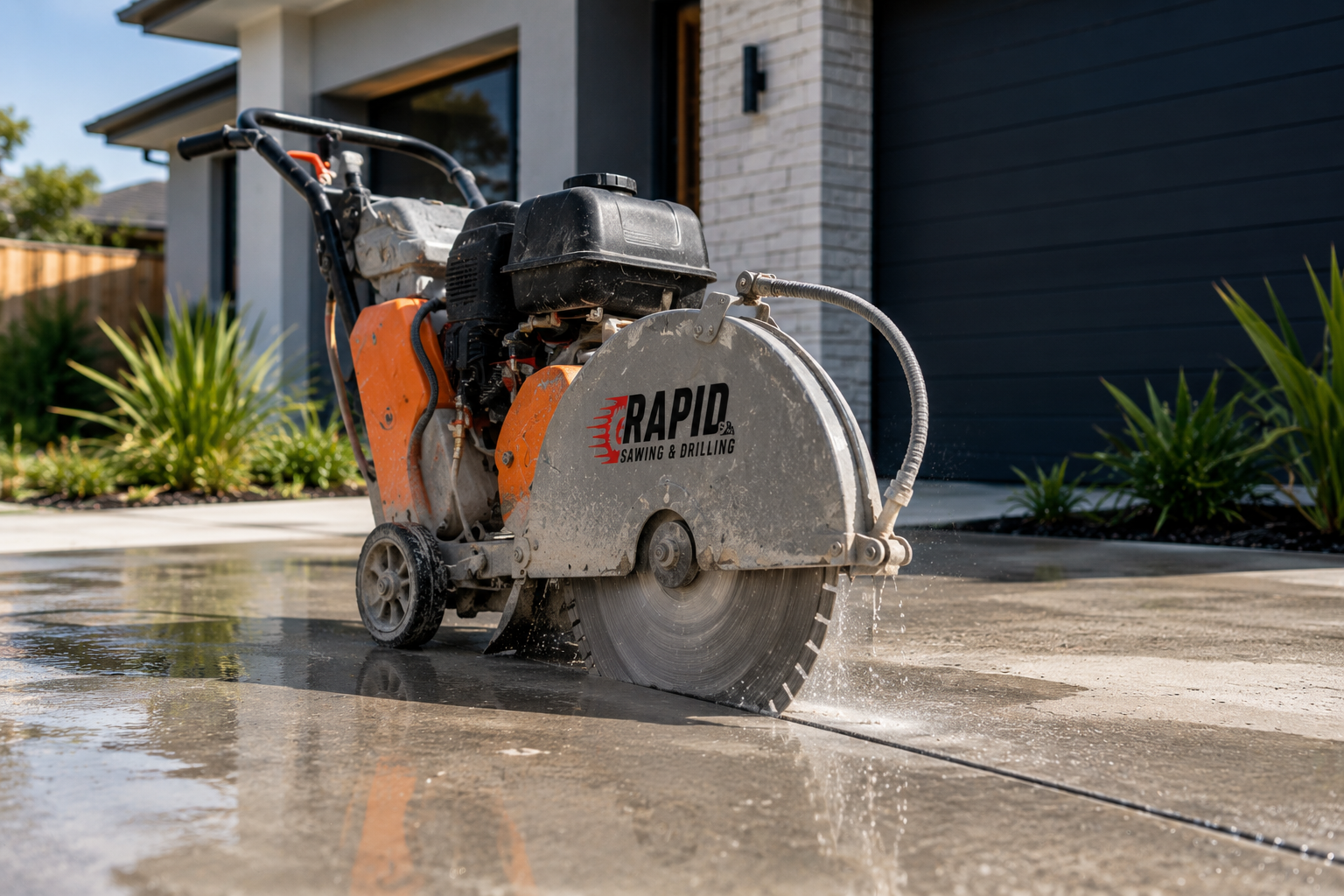
A small service penetration may require core drilling, while a long slab cut could require a floor or slab saw. A vertical opening in a wall may need wall sawing equipment, while road or pavement work calls for machinery suited to outdoor cutting.
An experienced concrete cutting contractor can assess the job and select equipment according to the material, cutting depth, location and desired result.
Rapid Sawing & Drilling lists concrete sawing, core drilling, wall sawing and slab and floor cutting among its services, along with road and asphalt sawing.
3. Reduced Risk of Unnecessary Damage
Concrete is connected to the rest of a structure. Cutting without proper planning can affect nearby surfaces or create problems that were not part of the original job.
Professional cutting helps keep the work controlled.
Before starting, the contractor can consider access, concrete depth, surrounding areas and the intended purpose of the opening. This preparation helps reduce the chance of making unnecessary cuts or damaging adjacent sections.
This is particularly important when working inside existing homes, commercial buildings or busy construction sites where other completed work may be close to the cutting area.
4. Safer Work Practices
Concrete cutting creates hazards that need to be managed properly. Dust, equipment movement, vibration, noise and other site conditions can all require attention.
WorkSafe Victoria’s industry standard specifically addresses hazards associated with concrete cutting and drilling, including dust, vibration, manual handling, working at heights, electricity damage and equipment-related risks.
Silica is another important consideration. Cutting or drilling concrete can generate respirable crystalline silica dust. Safe Work Australia identifies concrete cutting and drilling as activities that can generate silica dust and recommends appropriate risk controls.
Using an experienced contractor does not remove every site risk, but it means the work can be approached with suitable equipment, preparation and control measures.
5. Faster Progress for Other Trades
Construction projects are usually made up of connected tasks.
A plumber may be waiting for a concrete penetration. An electrician may need a pathway through a slab. A builder may need an opening completed before another stage can begin.
When cutting is delayed or performed incorrectly, those delays can move through the rest of the project.
A professional concrete cutting contractor understands that their work is often one part of a larger schedule. Completing accurate cuts efficiently allows the next trade to get on with its work.
Rapid Sawing & Drilling states that its goal is to provide accurate cutting that does not hold up the next stage of a project.
6. Suitable for Different Types of Projects
Professional concrete cutting is not limited to large construction sites.
The same basic service can be useful for a homeowner carrying out a renovation, a builder working on a new development or a civil contractor completing infrastructure work.
| Project type | Common cutting requirement | Why precision matters |
|---|---|---|
| Residential renovation | Slab, floor or wall cutting | Protects surrounding finishes and existing structures |
| Plumbing installation | Core drilling and service openings | Creates correctly positioned penetrations |
| Electrical work | Core holes and concrete cutting | Provides planned routes for services |
| Commercial construction | Slab and wall modifications | Helps coordinate multiple trades |
| Civil construction | Road and asphalt sawing | Produces controlled cuts for infrastructure work |
| Concrete removal | Slab or section cutting | Helps divide concrete into manageable sections |
The ability to adapt the method to the project is one of the practical advantages of hiring a specialist rather than trying to handle every type of concrete work with the same equipment.
7. A Cleaner, More Controlled Finish
Concrete cutting can be messy when it is poorly planned.
Water, slurry, dust and concrete debris may become difficult to manage, particularly on indoor or finished sites. Professional operators can plan the work area and use suitable control methods to minimise disruption.
This does not mean every cutting project will be completely dust- or mess-free. Concrete work naturally produces by-products. The difference is that an experienced team plans for them rather than dealing with them as an afterthought.
Good site preparation and clean-up can make a noticeable difference, especially when the area needs to be handed back to another trade immediately after cutting.
When Should You Hire a Concrete Cutting Contractor?
There is no single type of project that requires professional cutting. The need usually becomes clear when the work involves accuracy, specialist equipment or existing structures.
You should consider professional assistance when you need to cut:
- Concrete floors or slabs
- Reinforced concrete
- Concrete walls
- Driveways or paths
- Roads and asphalt
- Openings for plumbing
- Openings for electrical services
- Concrete sections that need controlled removal
If you are unsure which method is appropriate, it is better to discuss the job before starting. The right cutting technique depends on the location, material, depth, access and intended result.
How Does a Professional Concrete Cutting Job Usually Work?
A well-organised job starts before the saw or drill is switched on.
First, the contractor needs to understand what needs to be cut and why. Site access, measurements, surrounding surfaces and the project schedule can then be considered.
The appropriate equipment is selected based on those requirements. The cutting area is prepared, and relevant safety and site controls are put in place.
The cut or drilling work is then completed with the selected equipment. Once the work is finished, the area can be checked and cleaned so the next stage of the project can proceed.
Rapid Sawing & Drilling describes a similar three-stage process on its contact page: assess and plan the job, complete the cutting or drilling with care, then clean up so the project can continue.
What Can Affect the Cost of Concrete Cutting?
There is no universal price for concrete cutting because every project is different.
Several factors can influence the final cost, including the thickness of the concrete, total cutting length, number of cuts, access to the site, equipment required and the amount of preparation or clean-up involved.
The type of concrete can also make a difference. Reinforced or particularly thick sections may require more specialised equipment and additional time.
For this reason, getting the work assessed before making assumptions about price is usually the better approach. A clear scope allows the contractor to understand what is actually required.
Why Local Experience Matters in Melbourne
A local contractor understands that Melbourne construction sites are not all the same.
A compact residential property in an inner suburb can present very different access challenges from a commercial site, industrial property or civil project. Some locations have limited working space, while others involve large open areas or public infrastructure.
Rapid Sawing & Drilling states that it services Melbourne and surrounding areas, including the CBD, inner suburbs, northern, eastern, southern and western areas, Bayside, Dandenong, Geelong and the Mornington Peninsula.
Local knowledge also makes communication easier when the work needs to fit around other trades, site schedules and access requirements.
Choosing the Right Concrete Cutting Contractor
Before hiring a contractor, look beyond the basic question of whether they can cut concrete.
Ask whether they have the equipment suited to your project. Find out whether they have experience with the type of cutting you require. It is also worth discussing site access, timing, safety requirements and clean-up before the work begins.
A reliable contractor should be able to understand your requirements and explain the proposed approach clearly.
For larger projects, communication can be just as important as the cutting itself. When the contractor understands what the builder, plumber, electrician or project manager needs, the work is easier to coordinate.
Final Thoughts
Concrete cutting is a specialist task where accuracy can affect the rest of the project. From a small residential service penetration to major commercial or civil work, the right equipment and cutting method can make the process considerably easier.
A professional concrete cutting contractor can assess the job, select suitable equipment, complete controlled cuts and work around the requirements of the wider site. This can help reduce unnecessary damage, improve efficiency and give other trades a suitable area to continue their work.
If you need concrete cutting, sawing or drilling in Melbourne and surrounding areas, you can discuss your requirements with Rapid Sawing & Drilling through the company’s Concrete Cutting Contractors service or home page. For a quote or project discussion, use the contact page.
Frequently Asked Questions
What does a concrete cutting contractor do?
A concrete cutting contractor uses specialised saws, diamond blades, drills and related equipment to cut or drill concrete accurately. Work can include slab cutting, floor cutting, wall openings, service penetrations, road cutting and controlled concrete removal.
Why should I use a professional instead of cutting concrete myself?
Concrete cutting requires specialised equipment and proper safety controls. Professional operators can select the appropriate cutting method, make more controlled cuts and manage site risks associated with dust, equipment, vibration and the surrounding work area.
Can concrete cutting contractors work on residential properties?
Yes. Concrete cutting can be required for residential renovations, extensions, driveways, garages, drainage work, plumbing installations and service upgrades. The required equipment and approach depend on the specific job.
How do I know which concrete cutting method I need?
The right method depends on what you need to achieve. Slab and floor cuts, wall openings, round service penetrations and road cuts generally require different equipment. A professional contractor can assess the site and recommend the appropriate approach.
Does concrete cutting create silica dust?
Cutting concrete can generate respirable crystalline silica dust. Safe Work Australia identifies concrete cutting and drilling among activities that can generate silica dust, so appropriate controls are important when this work is undertaken.