A concrete floor can look perfectly serviceable until you start preparing it for a renovation. Once old carpet, tiles, paint or coatings are removed, the real condition of the slab often becomes obvious. You may find adhesive residue, rough patches, small ridges, stains or areas that simply do not provide the clean surface needed for the next stage of the project.
This is where concrete floor grinding contractors can become an important part of the preparation process. Grinding uses specialised machinery and diamond tooling to remove unwanted surface material and create a more consistent finish. The amount of grinding required depends on the condition of the concrete and what you plan to do with the floor afterward.
For a warehouse, retail premises, workshop, office or renovation project, preparation should not be treated as a minor detail. A coating, adhesive or polished finish relies heavily on the surface underneath it. Taking time to understand the grinding process can help property owners make sensible decisions before work begins.
What Is Concrete Floor Grinding?
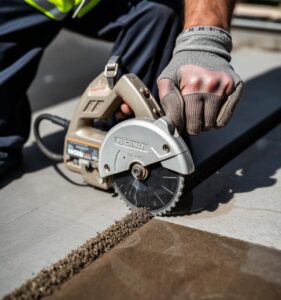
Concrete floor grinding is a mechanical process used to remove or refine the upper surface of a concrete slab. Contractors use machines fitted with abrasive diamond tooling to work across the floor, gradually removing surface material where required.
The process can be relatively light or more aggressive depending on the condition of the slab. A floor that only has minor surface contamination may need limited grinding, while a heavily coated or damaged floor may require several stages of preparation.
The goal is not necessarily to remove large amounts of concrete. In many projects, the purpose is to remove weak material, old coatings, residue or minor imperfections and leave the slab in a condition suitable for its next treatment.
Why Does Concrete Surface Preparation Matter?
The condition of the concrete can influence how well a new flooring system performs. Applying a coating over loose material, contaminants or an unsuitable surface can create problems with adhesion and durability.
Grinding provides a controlled way of preparing the slab before another product is installed. Depending on the project, it can expose a cleaner concrete surface and create the required texture for a coating or other treatment.
Preparation also gives contractors an opportunity to identify problems that may otherwise remain hidden. Cracks, repairs, uneven sections and contamination can become easier to see once the surface has been cleaned and prepared.
When Is Floor Grinding Needed?
There is no single situation in which grinding is always required. It depends on the existing floor and the intended result.
Grinding is commonly considered during commercial renovations, warehouse upgrades, industrial maintenance, retail refurbishments and construction projects where an existing slab is being retained. It may also be useful when old floor coverings or coatings need to be removed.
A contractor may recommend grinding when the surface contains minor high spots, unwanted coatings or residue that could interfere with subsequent work. Larger structural defects, however, may require repairs or other preparation methods rather than grinding alone.
Removing Old Coatings and Adhesive
Older commercial floors can contain several layers of material accumulated over time. Paint, sealers, adhesives and other coatings may have been applied during previous renovations.
Before a new flooring system is installed, some or all of these layers may need to be removed. Grinding can be an effective mechanical method for dealing with certain bonded materials.
The correct tooling is important because different coatings respond differently to mechanical abrasion. A contractor should inspect the material first rather than assuming that one grinding setup will work equally well across the entire floor.
Preparing Concrete for a New Coating
Floor coatings often require a properly prepared concrete surface. The exact preparation level depends on the coating product and its manufacturer’s requirements.
Grinding can remove weak surface material and provide a more suitable profile for the coating to bond with. If the concrete is too smooth, contaminated or covered with an unsuitable previous finish, the new product may not perform as intended.
The grinding contractor should therefore know what will be applied afterward. Surface preparation should be planned around the final flooring system rather than carried out without considering the next stage.
Grinding and Floor Levelling Are Not the Same
The terms grinding and levelling are sometimes used together, but they describe different types of work.
Grinding removes material from selected areas of a concrete surface. This can help reduce small high spots, ridges and surface irregularities. It does not automatically correct significant slopes or deep low areas.
If a floor has major variations in level, another preparation or levelling system may be more appropriate. Removing large quantities of concrete to correct a substantial level difference may not be practical.
A proper site assessment helps determine whether grinding is actually suitable for the problem being addressed.
Selecting the Right Equipment
The size and type of grinding equipment can have a direct effect on how efficiently a job progresses. A small machine may be useful around restricted areas, while larger equipment can cover broad commercial floors more efficiently.
Diamond tooling is equally important. Different diamond bonds and grit sizes are suited to different concrete conditions and stages of preparation.
Experienced concrete floor grinding contractors consider the hardness of the slab, existing coatings, required finish and amount of material that needs to be removed before selecting the appropriate tooling.
Using unsuitable equipment can result in slow progress, inconsistent preparation or unnecessary material removal. Equipment selection should therefore be based on the actual floor rather than simply choosing the largest machine available.
Dust Control During Concrete Grinding
Dust management is an important consideration whenever concrete is mechanically ground. Fine particles can become airborne during the process, particularly when dry grinding is used.
WorkSafe Queensland provides guidance on floor grinders and identifies engineering controls, including suitable dust extraction and water-delivery systems, as important measures when managing exposure to respirable crystalline silica dust.
For that reason, dust control should be discussed before the project starts. The type of equipment, work environment and manufacturer’s instructions should all be considered when deciding how the work will be carried out.
This becomes particularly important inside occupied buildings. Offices, warehouses and commercial premises may have staff, customers, equipment or stock nearby, so controlling dust and keeping the work area organised requires proper planning.
Common Tasks Included in Floor Preparation
Concrete grinding projects can involve different preparation tasks depending on the condition of the slab and the desired finish.
Common work may include:
• Removing old coatings and surface residue
• Preparing concrete before a floor coating is applied
• Smoothing minor surface irregularities
• Removing adhesive from previous floor coverings
• Creating an appropriate surface profile
• Refining the concrete through different grinding stages
• Preparing areas for polishing or other finishing processes
• Cleaning the floor after mechanical preparation
Not every project requires all of these steps. The preparation method should be based on what the existing floor actually needs.
Concrete Grinding in Commercial Buildings
Commercial properties often need to balance renovation work with normal business operations. A shop, office or warehouse may have limited periods available for construction work, making planning particularly important.
Grinding can form part of a refurbishment where the existing concrete slab is retained rather than completely removed. Preparing the current floor may allow the next flooring stage to proceed without replacing the entire slab.
The condition of the floor should still be assessed before work begins. Heavy traffic, previous repairs, old coatings and years of use can leave different sections in different conditions.
Scheduling is another practical consideration. If a coating contractor or another trade needs access immediately after grinding, the preparation work should be coordinated with the wider project timetable.
Industrial and Warehouse Floor Preparation
Large industrial and warehouse floors present their own challenges. The area may be substantial, and the surface may have experienced forklifts, heavy machinery, chemical spills, repairs and years of regular use.
Large grinding machines can help cover open areas efficiently, while smaller equipment may be needed around walls, columns, edges and confined spaces. A good preparation plan needs to account for both.
The intended use of the floor also matters. A warehouse that will continue to experience heavy vehicle traffic may require a different flooring system from a retail area where appearance is a bigger consideration.
Understanding the final purpose of the floor helps the contractor determine the level of preparation required.
Concrete Grinding Before Polishing
Grinding is often associated with polished concrete, although the two processes are not identical. Grinding can form part of the initial preparation stage before the surface is refined through progressively finer tooling.
The desired appearance influences how far the process continues. Some projects may aim for a functional prepared surface, while others may require a more refined decorative finish.
The condition of the existing slab also matters. Aggregate exposure, previous repairs, surface imperfections and concrete hardness can all affect the final appearance.
For this reason, expectations should be discussed before work begins. A polished concrete finish depends partly on what is already present in the slab.
How to Choose Concrete Floor Grinding Contractors
Price is naturally one consideration when comparing contractors, but it should not be the only question asked. A quotation becomes much more useful when the scope of work is clearly explained.
Ask what preparation is included, what type of equipment will be used and how dust will be controlled. It is also worth asking how the contractor plans to deal with edges, difficult areas and existing coatings.
Experience with similar properties can be useful too. Preparing a small office floor is different from working across a large industrial facility.
For projects that involve additional concrete work, you can review the available concrete cutting and drilling services to understand how different concrete tasks may fit together.
Comparing Common Concrete Surface Preparation Methods
Different preparation techniques are designed for different situations. Grinding is useful for controlled surface removal, but it should not automatically be considered the answer to every flooring problem.
| Preparation Method | Typical Application | Surface Result | Common Project Type |
|---|---|---|---|
| Concrete Grinding | Surface refinement and coating preparation | Clean, mechanically prepared concrete | Commercial and industrial floors |
| Concrete Polishing | Decorative finishing | Refined and polished surface | Retail and commercial interiors |
| Shot Blasting | Coating preparation and surface profiling | Textured concrete profile | Large commercial areas |
| Scarifying | Heavier surface removal | More aggressive surface preparation | Industrial floors |
| Mechanical Scraping | Adhesive and residue removal | Removal of bonded materials | Renovation projects |
| Chemical Removal | Selected coatings and contaminants | Material-specific removal | Specialist preparation |
The most suitable method depends on the condition of the slab, the material being removed and the finish required afterward. In some situations, more than one preparation method may be used during the same project.
Questions to Ask Before the Job Starts
A short conversation before work begins can prevent misunderstandings. Start by asking what the grinding is intended to achieve and whether the contractor has inspected the existing surface.
If another company will apply a coating, polish or other finish afterward, provide those specifications before grinding starts. The preparation level should be compatible with the next stage.
It is also worth discussing access, operating hours, furniture, machinery, cleaning and waste removal. These details can affect how the work is organised, particularly in occupied commercial buildings.
Why Experience Matters
Concrete slabs can behave differently depending on their age, composition, hardness, previous treatments and condition. Two floors that appear similar may require completely different approaches.
Experienced concrete floor grinding contractors can adjust their approach when the surface does not respond as expected. Test areas, tooling changes and different grinding stages may be required to achieve a consistent result.
Experience is also valuable around corners, joints, edges and other areas that larger machines cannot easily reach. These sections can affect the overall appearance and quality of the prepared floor.
Planning Grinding With Other Concrete Work
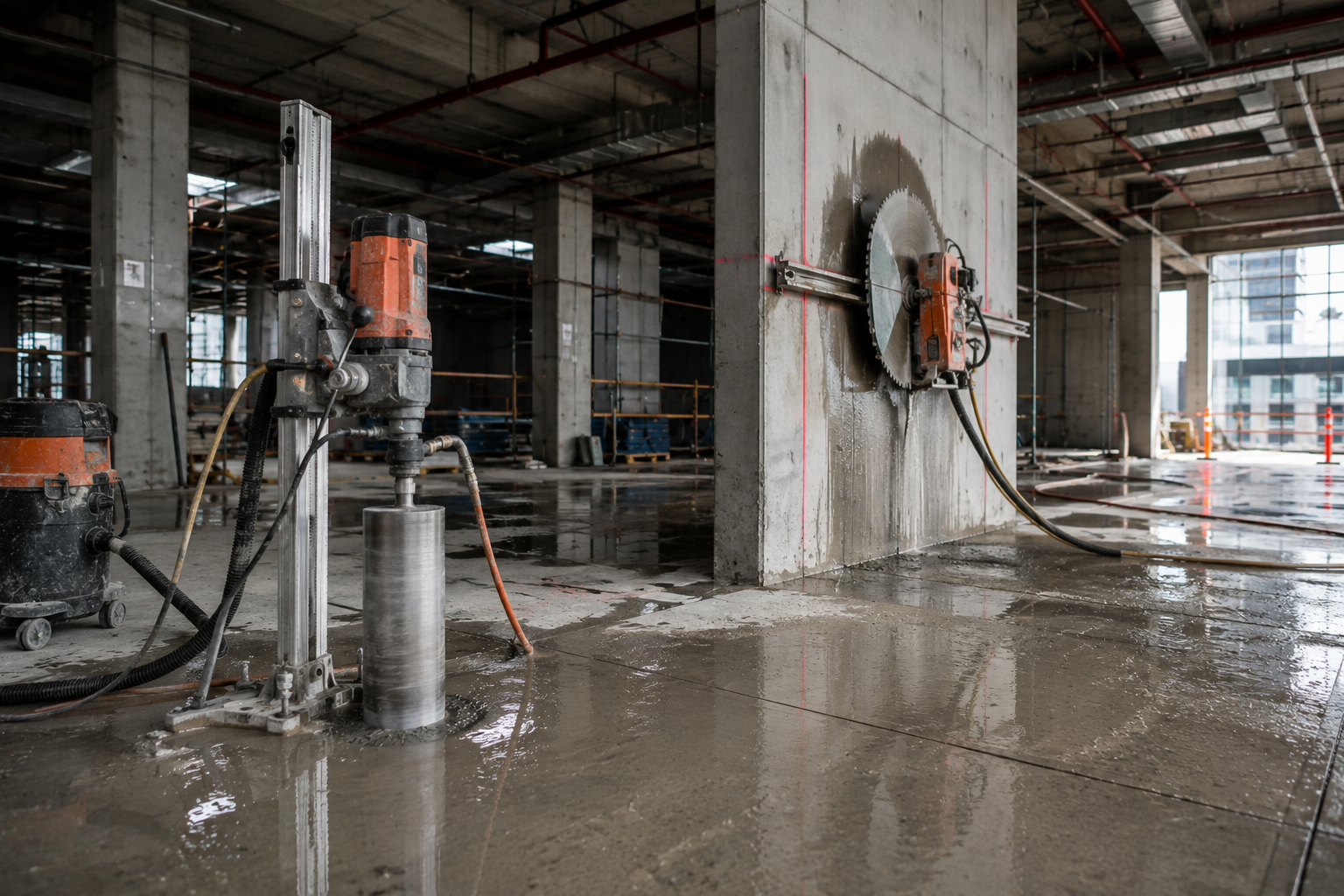
Floor preparation is sometimes only one part of a larger construction project. Plumbing, electrical, drainage, structural modifications and other services may require cutting or drilling before the final floor treatment takes place.
Planning these activities in the correct order can reduce unnecessary rework. For example, it may make more sense to complete required penetrations or concrete modifications before carrying out final surface preparation.
Rapid Sawing & Drilling provides concrete-related solutions for construction and renovation projects. Coordinating the required work in advance can help different stages fit together more smoothly.
Getting a Useful Quotation
A detailed quotation should make it clear what the contractor is actually providing. The floor area, preparation level, equipment, dust management and cleaning arrangements are all worth clarifying.
Existing coatings can affect the amount of work required. Some materials may take considerably more effort to remove than others, while heavily contaminated areas may need additional preparation.
Ask whether the quotation covers only grinding or also includes related cleaning and preparation work. Having a clear scope makes it easier to compare different quotations fairly.
Preparing Your Site
Property owners can also help by preparing the area before the contractor arrives. Furniture, stock, vehicles and movable equipment may need to be relocated depending on the size and location of the work.
Access routes should be kept clear, and any site restrictions should be communicated beforehand. In a commercial environment, staff and customers may need to be kept away from the work area while grinding is underway.
The more information the contractor has before arriving, the easier it becomes to plan equipment, access and working arrangements.
Conclusion
A concrete floor does not always need to be replaced simply because its surface has become worn, contaminated or unsuitable for a new finish. In many situations, careful mechanical preparation can give an existing slab a fresh starting point.
Concrete grinding can remove unwanted surface materials, improve consistency and prepare a floor for another treatment. However, the right process depends on the condition of the slab, the material being removed and the finish planned afterward.
Choosing experienced concrete floor grinding contractors and discussing the project requirements before work begins can help ensure the preparation process is appropriate for the site. If additional concrete work is required, you can contact Rapid Sawing & Drilling to discuss the requirements of your project.
FAQs
1. What do concrete floor grinding contractors do?
Concrete floor grinding contractors use specialized machinery and diamond tooling to remove or refine the surface of concrete floors. Their work can include removing old coatings, adhesive, weak surface material and minor irregularities before another flooring treatment is applied.
2. Is concrete grinding suitable for warehouse floors?
Concrete grinding can be suitable for many warehouse floors, particularly when an existing slab needs surface preparation before coating or other treatment. The floor should be inspected first because heavy traffic and previous repairs can affect the required preparation.
3. Can grinding remove old adhesive from concrete?
Grinding can remove certain types of bonded adhesive and residue, although the result depends on the adhesive’s composition, thickness and bond to the concrete. The contractor should assess the material before selecting the appropriate equipment and tooling.
4. Does concrete grinding create dust?
Concrete grinding can produce fine dust, which is why appropriate dust-control measures are important. The work method, equipment and site conditions should be assessed before grinding begins, particularly where silica-containing concrete is involved.
5. How do I choose the right concrete floor grinding contractors?
Consider the contractor’s experience, equipment, preparation methods, dust-control approach and ability to explain the scope of work. A detailed quotation and experience with similar floors can also help you understand what is included.