Concrete removal is rarely as simple as breaking up a slab and carrying the pieces away. A driveway may need to come out before drainage work, a warehouse floor may have to be opened for services, or an old path may be removed during a renovation. The way the concrete is cut before it is broken can affect safety, access, clean-up time and the condition of the surrounding area.
For that reason, concrete removal services should begin with a plan rather than a jackhammer. The right cutting method creates controlled sections, gives workers a clearer removal path and helps reduce unnecessary impact on nearby surfaces. It is particularly useful where existing structures, finished floors, walls, pipes or other services are close to the work area.
For Melbourne projects, professional cutting is often the first practical step. Slab sawing can be used for concrete removal, service trenches, repairs and other modifications. The concrete cutting services can be matched to the thickness, access and purpose of the job. A clear scope at the start can save time later.
What Are Concrete Removal Services?
Concrete removal services involve the controlled cutting, breaking, lifting and removal of unwanted concrete. The work may cover a small section of driveway or a larger slab in a commercial or industrial setting. Depending on the site, removal can involve slab sawing, wall sawing, floor cutting, core drilling, hydraulic breaking or a combination of methods.
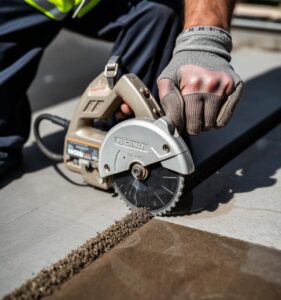
The cutting stage is important because concrete is strong, heavy and often reinforced. Simply attacking a large area with heavy equipment can create excessive vibration and make it harder to control where the material breaks. Saw cutting can divide the slab into manageable sections before removal begins.
A professional assessment normally considers concrete thickness, reinforcement, access, surrounding finishes and the intended depth of the cut. These factors help determine which equipment and sequence will make sense for the project.
When Do You Need Concrete Removed?
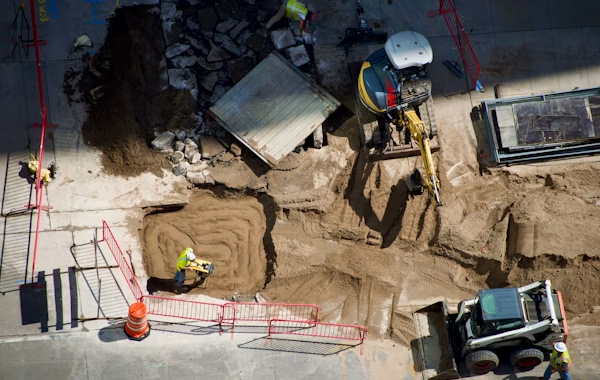
There are many reasons a property owner, builder or contractor may need existing concrete removed. Renovations can require sections of flooring to be opened for new plumbing or drainage. Driveways and paths may need removal before replacement. Commercial sites may require floor sections to be modified for machinery, services or structural changes.
Common situations include:
- Removing damaged or deteriorated concrete
- Opening slabs for plumbing and drainage
- Preparing areas for extensions or renovations
- Removing sections of driveways, paths and patios
- Creating service trenches through floors
- Preparing concrete for demolition
- Modifying warehouse and factory floors
- Removing sections around new structural or mechanical work
Why Controlled Cutting Matters Before Removal
Breaking concrete is easier to manage when the material has already been divided into planned sections. A saw can create straight boundaries that tell the removal crew where the slab should separate. This can be especially valuable near walls, finished surfaces and areas that need to remain intact.
For slab work, professional slab sawing can be used for horizontal concrete surfaces such as house slabs, warehouse floors, driveways, footpaths, car parks and hardstand areas. The exact approach depends on thickness, reinforcement, access and required cutting depth.
Choosing the Right Removal Method
Not every concrete removal project should be handled in the same way. Slab sawing is suited to controlled cuts through horizontal surfaces. Wall sawing is more appropriate for vertical concrete and structural openings. Core drilling is useful when a round opening is required for services or other installations.
The sequence matters. Cutting too early, too deeply or without understanding the reinforcement can create avoidable problems.
Safety Considerations During Concrete Removal
Concrete cutting and breaking can generate respirable crystalline silica dust, particularly when dry methods are used. Safe Work Australia identifies concrete cutting, drilling, grinding and jackhammering among construction activities that can generate silica dust. WorkSafe Victoria also recommends controls such as wet cutting or suitable dust extraction.
For detailed Australian guidance, see Safe Work Australia’s silica guidance.
The work area should also be managed for other hazards. Noise, flying fragments, equipment movement, manual handling, electrical services and hidden utilities all need consideration. Water used for dust suppression should be controlled so slurry does not spread into unwanted areas or dry into dust later.
Key Bulletin: What to Check Before Concrete Removal
- Identify the exact section that must be removed.
- Confirm slab thickness and whether reinforcement is present.
- Check access for cutting and removal equipment.
- Consider nearby walls, finishes and structures.
- Identify known or suspected services before cutting.
- Select a suitable cutting method and sequence.
- Plan dust, slurry, noise and debris controls.
- Decide how broken concrete will be lifted and removed.
- Keep the work area controlled while cutting and breaking.
- Confirm how the area will be left ready for the next trade.
This preparation can make a noticeable difference to the overall job. A clear removal plan helps prevent a straightforward opening from turning into unnecessary damage or additional work.
Concrete Removal Applications
Residential projects often involve driveway removal, patio changes, bathroom renovations, extensions, garage modifications and drainage upgrades. Access can be tight, and existing finishes may be worth protecting, so controlled cutting is particularly useful.
Commercial and industrial projects can involve larger floor areas, service trenches, machinery changes, expansion work and demolition preparation. Scheduling becomes more important because other trades may depend on the concrete being opened and cleared at a particular stage.
Concrete Removal Services: Method Comparison
| Removal need | Common method | Main advantage | Typical consideration |
|---|---|---|---|
| Horizontal slab section | Slab sawing | Straight, controlled cuts | Thickness and reinforcement |
| Vertical opening | Wall sawing | Accurate structural cutting | Wall thickness and access |
| Round service opening | Core drilling | Precise circular hole | Diameter and depth |
| Narrow service trench | Floor or slab cutting | Defined trench edges | Service location and depth |
| Large broken section | Sawing plus breaking | Easier section control | Lifting and disposal |
| Damaged external concrete | Sawing and removal | Limits disturbance nearby | Access and surrounding surfaces |
How the Process Usually Works
The first step is assessment. The site, concrete type, thickness, access and required cut are considered. The purpose of the opening is also important because a shallow repair cut is different from a full-depth removal.
Next comes planning and setup. Equipment is positioned, the work area is controlled and the cutting line is established. Where appropriate, water suppression or dust extraction is used to manage dust during the work.
The concrete is then cut into sections that can be safely handled. Further breaking may be required depending on the size and reinforcement. Once the unwanted material is separated, it can be lifted, moved and cleared from the work area.
How Professional Cutting Can Reduce Project Delays
A concrete removal job rarely exists on its own. It is usually part of a larger project with plumbers, electricians, builders, concreters, excavators or other trades waiting for access.
Poorly planned removal can create delays when more concrete than necessary is damaged, access becomes difficult or the resulting opening does not match the next stage of work. Controlled cutting helps define the area before removal and gives other trades a clearer starting point.
Clear communication is just as important as equipment. Before booking, it helps to provide the site location, approximate dimensions, concrete thickness if known, access conditions and the reason for removal. Photos can also help a contractor understand the job before arriving.
For Melbourne and surrounding areas, the contact page provides a way to request a fast quote and describe the job requirements. The company states that it services residential, commercial, industrial and civil projects across Melbourne and surrounding areas.
What Affects the Cost of Concrete Removal?
The final cost depends on the circumstances of the project rather than one standard rate. Concrete thickness, reinforcement, total cutting length, access, equipment requirements and the amount of material to be removed can all affect the work involved.
Difficult access may require different equipment or additional handling. Reinforced concrete can take longer to cut than an unreinforced slab. A project that requires precise cuts around existing structures may also need more planning than open-area demolition.
The best way to compare quotes is to make sure each contractor understands the same scope. Ask what cutting is included, whether breaking and removal are included, how slurry and debris will be managed and whether the area will be left ready for the next stage.
Why Experience Matters
Good workmanship is about more than making a cut. It involves choosing an appropriate method, setting up safely, controlling the work area and producing an opening that suits the next step of the project.
WorkSafe Victoria’s industry standard explains that concrete cutting and drilling involve hazards including dust, gases, noise, vibration, manual handling and potential damage to services. Its guidance reinforces the importance of using suitable equipment and risk controls.
Conclusion
Concrete removal is easier to manage when the cutting stage is treated as part of the overall project rather than an afterthought. Accurate slab cutting can help isolate the required section, protect surrounding areas and give the removal crew a more controlled job. The right method also helps plumbers, builders and other trades continue their work without unnecessary rework.
For Melbourne property owners, builders and contractors, Rapid Sawing & Drilling provides concrete cutting and slab sawing support for residential, commercial, industrial and civil work. Its approach includes assessing the site, considering thickness and access, and completing precise cutting before the project moves to the next stage.
If you are planning concrete removal, provide clear information about the location, size, thickness and purpose of the work before requesting a quote. That gives the contractor a better understanding of the job and helps establish a practical removal plan.
FAQs
1. What are concrete removal services?
Concrete removal services involve cutting, breaking, separating and clearing unwanted concrete. The exact method depends on the slab, access, reinforcement and purpose of the removal.
2. Can slab sawing be used before removing concrete?
Yes. Slab sawing can divide a horizontal slab into controlled sections before the material is broken and removed. This can make removal more manageable and help limit disturbance to nearby surfaces.
3. How do professionals control dust during concrete cutting?
Depending on the task, suitable wet cutting, water suppression, dust extraction and other controls may be used. The work area should also be managed so residue does not dry and create additional dust.
4. Does reinforced concrete require a different approach?
It can. Reinforcement may affect cutting speed, equipment selection, cut depth and the way sections are broken or lifted. The site should be assessed before work starts.
5. How can I get a quote for concrete removal?
Provide the site location, approximate dimensions, access information, concrete thickness if known and the reason for removal. Photos can also help the contractor understand the job and recommend an appropriate approach.