Old concrete can become a problem long before it looks like one. A cracked driveway, unwanted slab, damaged pathway or section of concrete floor can get in the way of a renovation or make a property harder to use. Simply attacking the material with heavy equipment is not always the best answer. The work needs to be planned around the thickness of the concrete, surrounding structures, access and what needs to happen after the old material is taken out.
That is where professional concrete removal becomes important. The process may involve cutting the existing concrete into manageable sections before breaking it out and clearing the area. For renovation, construction, drainage and demolition projects, controlled removal can make the next stage of work much easier.
In Melbourne, properties can vary considerably. A residential backyard may have restricted access, while a commercial site may require work around other trades and operating areas. Good concrete removal planning takes these conditions into account rather than relying on a one-size-fits-all method.
What Is Concrete Removal?
Concrete removal is the process of taking unwanted, damaged or redundant concrete away from a site. Depending on the project, this may include a driveway, pathway, slab, floor, wall, footing or another concrete structure.
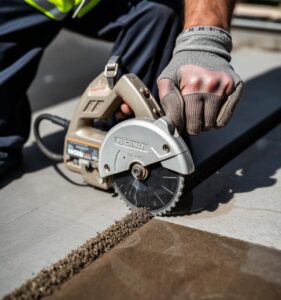
The method used depends on the location and construction of the concrete. Some jobs require sections to be saw-cut before they are broken out. Others may involve drilling, wall sawing, slab sawing or mechanical breaking. Cutting first can help create controlled sections and reduce the risk of damaging nearby surfaces.
For larger projects, concrete removal may form part of a broader demolition or construction program. The old concrete may need to be removed before new drainage, plumbing, electrical services, foundations or replacement slabs can be installed.
When Do You Need Concrete Removal?
There are several situations where removing existing concrete makes more sense than repairing it. Extensive cracking, major settlement, deterioration or changes to the property’s layout can all lead to a removal requirement.
Renovation work is another common reason. A homeowner may want to change a driveway, extend a house, create a new outdoor area or modify a pathway. Builders and contractors may need sections of floor or slab removed to make room for new services.
Commercial and civil projects can have larger requirements. Old concrete may need to be cleared before infrastructure upgrades, roadworks, service installation or redevelopment can continue.
The important point is to establish exactly what needs to be removed before work starts. Removing more material than necessary can create additional cost and delay, while removing too little may prevent the next trade from completing its work properly.
Why Concrete Cutting Can Help With Removal
Breaking concrete without first controlling the area can create unnecessary disruption. Strategic cutting allows a contractor to define sections that can then be broken out and handled more efficiently.
This approach is particularly useful around existing structures. A clean saw cut can help separate the section being removed from concrete that needs to remain. It can also provide a more predictable edge for replacement work.
Professional concrete cutting services may include slab sawing, wall sawing, floor cutting, road sawing, hand sawing and core drilling. Rapid Sawing & Drilling lists these services as part of its Melbourne concrete cutting capabilities.
For a renovation, for example, a contractor may first cut a precise opening in a slab or floor. The selected section can then be broken into manageable pieces instead of damaging the surrounding area.
Common Concrete Removal Projects
Not every concrete removal job looks the same. The size, location and purpose of the existing concrete can completely change the way the work should be approached.
Driveways are a common residential example. An old driveway may be cracked, poorly positioned or unsuitable for a planned renovation. Removing the existing surface allows the area to be prepared for a new driveway or alternative landscaping.
Paths and patios may also need removal when homeowners redesign outdoor spaces. In these cases, restricted access can be one of the biggest challenges, particularly in established Melbourne properties.
Concrete floors and slabs can require removal during building alterations. Parts of a floor may need to be opened for drainage, plumbing or other services. Controlled cutting and concrete removal can help other trades access the required area without unnecessarily disturbing the rest of the structure.
Walls can present another challenge. Wall cutting and controlled break-out may be required when creating openings or removing unwanted sections during a renovation.
Concrete Removal for Residential Projects
Residential work requires particular care because existing homes often have limited access. Fences, garages, landscaping, neighbouring properties and finished surfaces can all affect how equipment reaches the work area.
Before concrete removal begins, the site should be assessed for access and potential obstacles. The contractor also needs to understand what will remain in place. A driveway connected to a garage, for example, may need a different approach from a completely isolated slab.
Dust, noise and debris are also important considerations around occupied homes. Work should be organised so that unnecessary disruption is reduced and the work area remains controlled.
Rapid Sawing & Drilling states that its residential work includes bathroom renovations, drainage and plumbing penetrations, wall openings, laundry upgrades, driveway changes, paths, patios and extensions.
Concrete Removal for Commercial and Civil Work
Commercial sites often have tighter schedules. Delays can affect several trades, deliveries and other site activities, so planning is especially important.
A concrete removal project on a commercial site may involve floor sections, pathways, road surfaces, slabs or other structural elements. The contractor may need to coordinate access with builders, site supervisors and other trades.
Civil projects can involve even larger areas and may require road sawing or asphalt cutting before sections are removed. The work needs to be coordinated with the overall construction program so that the site can progress efficiently.
Rapid Sawing & Drilling services commercial, industrial and civil projects across Melbourne, including shop fit-outs, office refurbishments, warehouse and factory floor works, roadworks, infrastructure and larger construction sites.
Safety Should Be Part of the Plan
Concrete is a strong construction material, and breaking or cutting it can create hazards. Dust, noise, vibration, flying fragments, heavy pieces and equipment movement all need to be considered.
One of the most important issues is respirable crystalline silica. Safe Work Australia explains that silica dust can be generated when materials such as concrete are cut, drilled, ground or crushed. The particles can be small enough to reach deep into the lungs.
For Australian businesses and workers, Safe Work Australia provides guidance on controlling exposure to silica dust. Wet cutting, dust extraction and other suitable controls can help reduce exposure depending on the task and work environment.
WorkSafe Victoria also identifies concrete cutting and drilling as activities that can generate silica dust and recommends appropriate control measures for the work environment.
A Practical Concrete Removal Planning Table
| Project Type | Typical Requirement | Useful Cutting Method | Main Planning Consideration |
|---|---|---|---|
| Driveway replacement | Remove existing driveway sections | Slab or floor sawing | Site access and surrounding surfaces |
| Pathway upgrade | Remove unwanted paths | Concrete sawing | Restricted residential access |
| Floor renovation | Open or remove sections of floor | Floor cutting | Existing services and finished areas |
| Drainage work | Create access for new services | Concrete cutting | Accurate cuts and service locations |
| Wall opening | Remove a controlled wall section | Wall sawing | Structural considerations |
| Road or civil work | Cut existing road or surface | Road sawing | Traffic, access and project scheduling |
| Demolition preparation | Divide concrete into manageable sections | Concrete sawing | Safe break-out and handling |
How the Concrete Removal Process Works
A well-planned concrete removal project usually begins with a site assessment. The contractor needs to understand what material is present, where it is located, how thick it is and what surrounds it.
The next step is selecting the appropriate equipment and cutting method. A small internal opening may require hand sawing, while a large slab can require specialised sawing equipment. The right method depends on the job rather than simply choosing the largest machine available.
Once the concrete has been cut into suitable sections, the material can be broken out and removed. The sequence should allow the team to work safely while protecting areas that are staying in place.
After the concrete removal is completed, the area should be left ready for the next stage of the project. This may involve preparing for new concrete, drainage, plumbing, landscaping or construction work.
The team at Rapid Sawing & Drilling describes its process as assessing and planning the job, completing the cutting with appropriate care, and cleaning up so the wider project can continue.
Before Starting Concrete Removal
- Confirm exactly which sections need to be removed.
- Check access for workers and equipment.
- Identify nearby structures, finished surfaces and services.
- Decide whether cutting should happen before breaking out the concrete.
- Consider dust, noise and debris controls.
- Plan how removed concrete will be handled and cleared.
- Coordinate the work with other contractors and the next stage of construction.
Choosing the Right Contractor
Experience matters when concrete needs to be removed close to existing structures. A contractor should understand how different cutting methods work and be able to select equipment according to the site.
It is also worth asking how the contractor approaches safety, communication and site preparation. Clear information before the work begins can prevent misunderstandings about the area being cut, the expected schedule and what needs to happen afterwards.
For larger projects, reliability becomes even more important. If concrete is removed late or the work is not completed as planned, other trades may have to wait.
Rapid Sawing & Drilling works across Melbourne and surrounding areas, including the CBD, inner suburbs, northern, eastern, southern and western areas, Bayside, Dandenong, Geelong and the Mornington Peninsula.
How Much Concrete Needs to Be Removed?
The amount of material can vary significantly from one project to another. A small pathway may involve only a few sections, while a commercial slab or civil project can involve much larger quantities.
The cost and duration can be affected by thickness, reinforcement, access, location, cutting requirements and the amount of concrete involved. Disposal and site conditions can also influence the overall project.
Rather than relying on a generic price per square metre, it is better to have the actual site assessed. This allows the contractor to understand the work involved and provide a more useful quotation.
When requesting a quote for concrete removal, provide as much information as possible, including the location, approximate dimensions, access conditions, photographs and what you intend to build or install afterwards.
Why Precision Matters
It can be tempting to treat old concrete as something that simply needs to be smashed and cleared. However, precision matters whenever some of the surrounding structure needs to remain.
A controlled cut can separate the section being removed from the material that stays in place. This is especially useful during renovations, service installation and demolition preparation.
The aim of concrete removal should therefore be more than simply getting rid of material. The work should leave the site in a condition that allows the next part of the project to proceed efficiently.
Conclusion
Good concrete removal is about more than breaking up an old slab and taking it away. The work needs to be planned around access, surrounding structures, cutting requirements, safety and the next stage of the project. When the process is properly organised, unwanted concrete can be cleared without creating unnecessary disruption for the rest of the job.
Whether you are replacing a driveway, modifying a floor, opening a wall, preparing for drainage or working on a larger construction project, choosing the right cutting and removal approach can save time and reduce avoidable complications.
Rapid Sawing & Drilling provides concrete cutting, sawing, core drilling, wall sawing, slab sawing, road sawing and concrete demolition preparation across Melbourne and surrounding areas. If you have a project that requires concrete removal, contact the team, explain what needs to be removed and where the work is located, and request a fast quote to get your project moving.
Frequently Asked Questions
What is the best method for concrete removal?
The best method depends on the size, thickness, location and condition of the concrete. Cutting the material into manageable sections before breaking it out can provide better control, particularly where nearby concrete needs to remain.
Can concrete removal be done around existing structures?
Yes, but the work needs careful planning. Existing walls, floors, driveways, services and finished surfaces should be considered before cutting or breaking begins. Controlled sawing can help limit unnecessary disturbance.
Does concrete removal create silica dust?
Cutting, drilling, grinding and breaking concrete can generate respirable crystalline silica dust. Safe Work Australia identifies concrete processing as a potential source of silica exposure and recommends appropriate risk controls.
Can old concrete be removed during a renovation?
Yes. Concrete may need to be removed during renovations to create space for plumbing, drainage, extensions, new openings, driveway changes or other construction work. The removal method should be selected according to the renovation requirements.
How do I arrange a quote for concrete removal in Melbourne?
Start by providing the location, approximate size of the area, photographs and details about what you want removed. The contractor can then assess the job, determine the appropriate approach and provide a quotation. Rapid Sawing & Drilling accepts enquiries for Melbourne and surrounding areas through its contact page.