
Concrete is built to last, which is exactly why modifying it can be difficult. A new pipe may need to pass through a slab, an electrical conduit may require a clean opening, or an air-conditioning system may need a penetration through a wall. Trying to create these openings with ordinary tools can leave rough edges, unnecessary damage and a much bigger mess than expected.
Core drilling provides a more controlled solution. It uses specialized diamond-tipped equipment to create accurate circular openings through concrete and other masonry materials. The method is widely used across residential renovations, commercial construction, plumbing installations, electrical work, drainage projects and civil construction.
For Melbourne properties, the challenge is often not simply making a hole. Existing buildings can have restricted access, reinforced concrete, busy work areas and services hidden inside walls or slabs. Careful planning therefore matters just as much as the drilling itself.
What Is Core Drilling?
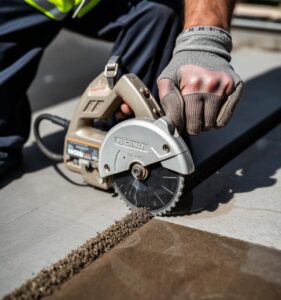
Core drilling is a specialised concrete drilling method used to create round, precise openings. A cylindrical diamond cutting tool is used to remove a section of material, leaving a relatively clean and accurately sized hole.
The technique can be used on concrete slabs, floors, walls and other masonry surfaces. The diameter and depth of the opening can vary depending on the requirements of the project.
Unlike basic impact drilling, the process is designed around controlled cutting rather than simply breaking the surrounding material. This makes it useful when a clean penetration is required for a pipe, cable, duct, conduit, anchor or other installation.
Professional concrete drilling contractors select equipment according to the material, hole diameter, depth, access and location of the work. The correct setup helps produce consistent results while reducing unnecessary damage to the surrounding surface.
Where Is Core Drilling Used?
There are many situations where core drilling can be more suitable than other concrete cutting methods. Plumbing and drainage contractors often need circular penetrations for pipes passing through concrete floors, walls or other structures.
Electrical contractors may require openings for conduits and cable routes. Mechanical contractors can also need larger penetrations for ventilation systems, air-conditioning services and other equipment.
Construction and renovation projects may require holes for anchors, posts, fixtures or structural installations. In some circumstances, concrete cores may also be extracted for testing or engineering assessment.
The method is not limited to large commercial sites. Residential projects can require accurate concrete drilling during bathroom renovations, extensions, drainage upgrades, kitchen renovations and service installations.
Why Accuracy Matters
A hole that is only slightly different from the required size can create problems for the next stage of a project. A penetration that is too small may require additional work, while an oversized opening can create unnecessary gaps that need to be addressed.
Accuracy is especially important when drilling close to existing structures or services. The operator needs to understand what is being drilled, what surrounds it and what the opening is intended to accommodate.
Professional core drilling also helps keep the work focused on the required area. Rather than damaging a larger section of concrete to create an opening, the drilling process can remove a defined cylindrical section.
This can be valuable during renovations where finished walls, floors, tiles or surrounding structures need to remain intact.
Common Applications for Concrete Drilling
The right drilling method depends on the project, but several applications appear regularly across Melbourne construction and renovation work.
Plumbing penetrations are one of the most familiar examples. Pipes may need to pass through concrete slabs, walls or other surfaces. A clean opening allows the plumber to position the required pipework without unnecessarily breaking surrounding concrete.
Drainage work can involve similar requirements. New drainage routes may require openings through existing concrete before pipes can be installed.
Electrical and data installations can also require precise penetrations. Conduits and cables may need to pass through concrete structures while maintaining a controlled opening.
Heating, ventilation and air-conditioning installations may require larger holes for ducting, pipes or mechanical services.
Anchoring is another application. Depending on the engineering requirements, drilled openings can be used for posts, fixtures, anchors and other installations.
Core Drilling for Residential Renovations
Home renovations often involve modifying concrete that was installed years earlier. The original building may not have been designed for the new plumbing, electrical or mechanical systems being added today.
For example, a bathroom renovation may require new plumbing penetrations through a concrete floor. An extension may require service connections between old and new sections of a property.
Restricted access is often one of the biggest residential challenges. Equipment needs to reach the work area without causing unnecessary disruption to gardens, finished surfaces, furniture or other parts of the home.
Before core drilling begins, the work area should be assessed carefully. The contractor needs to understand the location of the opening, access conditions, concrete thickness and any known reinforcement or embedded services.
Commercial and Industrial Applications
Commercial projects can involve multiple penetrations across floors, walls and slabs. A shop fit-out, warehouse modification or office refurbishment may require openings for plumbing, electrical systems, ventilation or other building services.
Scheduling is particularly important on commercial sites. Drilling may need to take place between other trades or during agreed working hours. Delays can affect the entire construction program.
Industrial sites can present additional challenges because of thicker concrete, restricted areas, larger equipment or active operations. The drilling method needs to be matched to the site rather than relying on a standard approach.
Professional operators can assess the work and select suitable equipment based on hole size, depth, access and material conditions. This helps keep the drilling stage aligned with the broader construction schedule.
A Practical Core Drilling Planning Table
| Project Requirement | Typical Application | Key Consideration | Suitable Approach |
|---|---|---|---|
| Small service penetration | Plumbing or electrical | Accurate diameter | Diamond drilling |
| Drainage opening | Pipe installation | Slab thickness and access | Controlled core drilling |
| HVAC penetration | Ducts and mechanical services | Larger hole diameter | Heavy-duty drilling equipment |
| Anchor installation | Posts and fixtures | Required depth | Specified diameter and depth |
| Renovation opening | New building services | Existing finishes | Precise drilling |
| Commercial fit-out | Multiple service penetrations | Scheduling | Planned drilling sequence |
| Industrial project | Large or deep openings | Reinforcement and access | Specialist equipment |
What Happens During the Drilling Process?
Every project is different, but professional core drilling normally starts with a site assessment. The operator needs to understand the location, dimensions and purpose of the proposed opening.
The concrete thickness and surrounding conditions should also be considered. Reinforcement, embedded services and structural requirements can influence where and how drilling should take place.
Once the drilling position has been confirmed, suitable equipment is set up. The drilling system must remain stable during operation so the hole can be created accurately.
Water is commonly used during wet diamond drilling to cool the cutting equipment and help control dust. The resulting slurry needs to be managed rather than allowed to spread throughout the work area.
After the hole is completed, the concrete core is removed and the area is checked. Depending on the project, the opening may then be ready for a pipe, conduit, duct, anchor or other installation.
Safety and Silica Dust Considerations
Concrete drilling needs to be treated as a professional construction activity rather than a simple DIY task. Cutting or drilling concrete can generate respirable crystalline silica dust, which is a significant workplace health and safety concern.
Safe Work Australia identifies drilling and concrete cutting among construction activities that can generate respirable crystalline silica. It also explains that airborne silica particles can be inhaled and can cause serious health effects.
That is why appropriate dust controls, equipment and work practices are important. Wet drilling can help suppress airborne dust, while suitable site controls and personal protective equipment may also be required depending on the task.
Anyone planning concrete drilling should consider the conditions of the site and the applicable workplace safety requirements rather than treating dust as simply a clean-up issue.
Factors That Can Affect a Drilling Project
Not every core drilling job takes the same amount of time or requires the same equipment. Several factors can influence the complexity of the work.
The diameter of the hole is one consideration. A small service penetration is very different from a large opening required for mechanical equipment.
Concrete thickness also matters. Deep drilling can require more time and specialised equipment than a shallow penetration.
Reinforcement can affect the process as well. Steel reinforcement within concrete needs to be considered before drilling begins, particularly when the opening is located within a structural element.
Access is another important factor. A ground-level slab with open access may be relatively straightforward, while an elevated or restricted work area can require additional preparation.
The number of holes can also affect planning. Several penetrations may be scheduled together to improve efficiency and reduce interruptions to other trades.
Why Site Assessment Should Come First
A professional assessment helps identify potential problems before the drill starts. The operator can review access, concrete thickness, the required diameter and the location of the proposed opening.
Existing services should also be considered. Electrical cables, plumbing, reinforcement and other concealed elements may be present inside concrete structures.
For structural areas, additional engineering or scanning requirements may apply. The appropriate checks should be completed before drilling where the nature of the structure or project requires them.
This planning stage may seem like an extra step, but it can prevent costly mistakes. A properly positioned opening is easier to use and reduces the chance of unnecessary damage to the surrounding area.
Core Drilling vs Other Concrete Cutting Methods
Different concrete cutting techniques have different purposes. Core drilling is designed primarily for circular openings, while slab sawing is better suited to long, straight cuts across horizontal surfaces.
Wall sawing is generally used when a controlled straight cut is needed through a vertical concrete wall. Road sawing is used for horizontal pavement and road surfaces.
Choosing the right method depends on what the project actually requires. Trying to use one technique for every situation can lead to inefficient work and an unsuitable finish.
A professional concrete cutting contractor can assess the job and recommend the appropriate method. The broader range of cutting and drilling services available includes slab sawing, wall sawing, road sawing and concrete cutting for different construction requirements.
Preparing Your Site Before Drilling
Good preparation can make the work easier and reduce delays. The drilling location should be clearly identified, and the surrounding area should be accessible to the operator.
Any furniture, equipment or loose materials near the work zone should be moved where practical. Other trades should also be informed about the planned work so that no one is working directly in the drilling area.
If the opening is being created for plumbing, electrical or mechanical installation, confirm the required diameter before the contractor arrives. This avoids creating an opening that is unsuitable for the intended service.
For larger commercial projects, coordinate the drilling schedule with the site manager and other contractors. A well-planned sequence can prevent unnecessary downtime.
Choosing a Professional Drilling Contractor
Experience is particularly important when drilling through reinforced or structural concrete. The contractor should have suitable equipment and understand how to work safely around existing structures.
It is also worth considering how the contractor handles dust, water, slurry and site clean-up. These details can make a noticeable difference, particularly when drilling takes place inside an occupied building.
Clear communication is equally important. Before work begins, the contractor should understand the required hole size, location, depth and intended purpose.
The supplied website provides information about concrete cutting and drilling services across Melbourne and surrounding areas, including residential, commercial and civil applications.
One Bulletin: Before Booking Concrete Drilling
Important: Do not book drilling based only on the hole diameter. Provide the contractor with the location, concrete thickness if known, number of holes, access conditions and intended use of each opening. If the work involves a structural wall, suspended slab, beam, column or other critical element, obtain the appropriate professional advice before drilling begins. Good preparation can prevent delays, incorrect openings and avoidable damage.
When Should You Choose Core Drilling?
The method is particularly useful when a project needs a clean, circular opening rather than a long cut or large section of concrete removed.
It can be suitable for plumbing penetrations, drainage pipes, electrical conduits, ventilation systems, anchors and other service installations.
The decision should still be based on the actual site conditions. If a project requires a rectangular opening, a long trench or a large section of concrete to be removed, another cutting technique may be more appropriate.
The goal is not to choose the most advanced method simply because it is available. It is to choose the method that provides the right result for the work required.
Conclusion
Core drilling is a practical solution when a construction or renovation project needs accurate circular openings through concrete. From plumbing and drainage penetrations to electrical conduits, ventilation systems and commercial fit-outs, the method allows contractors to create defined openings without unnecessarily disturbing the surrounding surface.
The quality of the result depends on more than the drilling equipment. Correct measurements, site assessment, access, dust management, concrete conditions and an understanding of what lies within the structure all need to be considered before work begins.
If your Melbourne project requires precise concrete drilling, take the time to discuss the hole size, depth, location and intended use with an experienced contractor. Rapid Sawing & Drilling provides professional concrete cutting and drilling solutions for residential, commercial and civil projects across Melbourne and surrounding areas. Visit the contact page to explain your requirements and request a quote for your upcoming drilling work.
Frequently Asked Questions
What is core drilling used for?
Core drilling is commonly used to create accurate circular openings through concrete for plumbing pipes, drainage, electrical conduits, ventilation systems, anchors and other building services. It can be used in residential, commercial, industrial and civil construction projects.
Can core drilling be used on reinforced concrete?
Yes, specialized diamond drilling equipment can be used on reinforced concrete. However, reinforcement and the structural purpose of the concrete need to be considered before work begins. Structural areas may require additional assessment or scanning.
Does core drilling create concrete dust?
Concrete drilling can generate respirable crystalline silica dust, particularly when dry methods are used. Wet drilling and other appropriate controls can help manage dust. Safe Work Australia identifies concrete drilling as an activity that can generate silica exposure.
How do I know what size hole is required?
The required diameter should be based on the outside dimensions of the pipe, conduit, duct, anchor or other item being installed, together with any clearance required for the installation. Confirming these measurements with the relevant trade before drilling can prevent costly adjustments.
Can core drilling be used during a home renovation?
Yes. It is frequently useful during renovations where new plumbing, drainage, electrical or mechanical services need to pass through existing concrete. The exact method should be selected after considering access, concrete thickness and the surrounding structure.