Concrete is built to last, which is exactly why changing it can be difficult. Cutting through a slab, wall, floor or driveway is not a job that should be approached with guesswork. The equipment, cutting method and preparation all need to suit the concrete and the work being carried out around it.
Choosing the right concrete cutting company can make a noticeable difference to the way a construction, renovation or repair project progresses. An experienced contractor can identify the most suitable cutting method, assess access and work around existing structures rather than treating every job in exactly the same way.
This becomes even more important when concrete contains reinforcement, conduits or other concealed elements. A cut in the wrong location can create additional repair work, interrupt another trade or cause an avoidable delay. Good planning before the saw or drill starts can prevent many of these problems.
Whether the project involves a residential renovation, commercial fit-out, civil construction or infrastructure work, understanding what a specialist contractor should provide will help you compare services more confidently.
What Does a Concrete Cutting Company Actually Do?
A concrete cutting company specialises in modifying existing concrete using equipment designed for controlled sawing, drilling and removal. The work can range from creating a small circular opening for a pipe to cutting through a substantial slab or wall.
Different applications call for different equipment. Core drilling is generally used for round penetrations, while floor or slab sawing is suited to longer straight cuts. Wall sawing can be used where a controlled opening is required through a vertical concrete structure.
The right contractor should not simply arrive with a machine and begin cutting. The concrete thickness, reinforcement, access, required dimensions and purpose of the cut should be considered first.
Why Professional Concrete Cutting Matters
Concrete cutting involves more than making an opening. The contractor needs to understand how the cutting process interacts with the surrounding structure and what may be hidden inside the concrete.
Poorly planned work can result in uneven cuts, unnecessary damage, difficult waste removal or interference with embedded services. On structural elements, the consequences of an inappropriate cut can be more serious.
Professional concrete cutting contractors Melbourne projects often involve builders, plumbers, electricians, engineers and other trades working to a shared schedule. Accurate cutting allows those trades to continue with their part of the project without unnecessary rework.
Common Services Offered by Specialist Contractors
A single project may require one cutting method or several. For example, a renovation might involve core drilling for plumbing, slab sawing for drainage and wall cutting for a new doorway.
The service selected should always reflect the job rather than the equipment a contractor happens to have available.
| Service | Common Application | What It Provides | Important Consideration |
| Concrete sawing | Slabs, floors and pavements | Straight, controlled cuts | Cutting depth |
| Core drilling | Pipes, conduits and services | Clean circular openings | Diameter and depth |
| Wall sawing | Doorways and wall openings | Accurate vertical cuts | Wall thickness and reinforcement |
| Slab sawing | Floors and concrete slabs | Defined sections for removal | Slab construction |
| Road sawing | Roads, footpaths and driveways | Controlled pavement cuts | Traffic and site access |
| Diamond cutting | Hard concrete structures | Precise cutting performance | Blade selection |
| Concrete removal | Cut sections and damaged areas | Controlled material removal | Access and waste handling |
| GPR scanning | Existing concrete structures | Identification of internal features | Scan interpretation |
A contractor with experience across several techniques can assess the entire project rather than recommending a method before understanding what the work actually involves.
Concrete Sawing Melbourne Projects
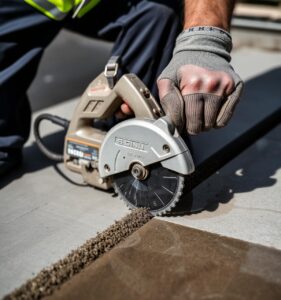
Concrete sawing is commonly used when a long, straight cut is required. It can be suitable for floors, slabs, driveways, footpaths and other horizontal surfaces.
The required depth is an important consideration. A shallow cut for an expansion joint is very different from a full-depth cut intended to separate a section of concrete for removal.
Before work begins, the operator should also consider the surrounding area, access for equipment and how the resulting concrete sections will be handled.
Concrete Drilling and Core Drilling
Concrete drilling is often needed when new services have to pass through an existing structure. Plumbing pipes, electrical conduits, ventilation systems and mechanical services may all require carefully positioned penetrations.
Concrete core drilling creates a clean, circular opening using a diamond-tipped core bit. The diameter can be selected according to the service that needs to pass through the concrete.
Accurate positioning is particularly important where several services need to pass through the same area. A poorly placed hole can create additional work for other trades, so measurements should be confirmed before drilling starts.
Diamond Concrete Cutting
Diamond cutting is widely used for concrete because diamond tooling can cut through hard materials with a high degree of control.
Diamond concrete cutting can be used for floors, slabs, walls and other concrete structures, depending on the equipment and site conditions. The blade, machine and cutting technique need to match the thickness and characteristics of the material.
Professional operators also need to consider water management, slurry, access and dust control. These practical details can be just as important as the actual cut.
Wall Sawing for Larger Openings
When a larger opening is required through a concrete wall, wall sawing can provide a controlled alternative to breaking the entire section apart.
Wall sawing Melbourne projects may include door and window openings, service penetrations and structural modifications. The equipment allows the operator to follow planned cutting lines and separate the required section.
Wall thickness, reinforcement, access and the weight of the section being removed should all be considered before work begins. Structural openings may also require input from the relevant engineer or building professional.
Slab Sawing and Floor Cutting
Concrete slabs often need to be modified during renovations, drainage upgrades and service installations. Cutting a defined section can provide access without unnecessarily disturbing the rest of the floor.
Slab sawing is commonly used for this type of work. The operator needs to establish the required cutting depth and understand the slab construction before starting.
In commercial environments, floor cutting may also need to be coordinated with other trades and site operations. Clear scheduling can reduce disruption and help keep the wider project moving.
Road Sawing for Civil Work
Concrete and pavement cutting are not limited to buildings. Civil projects often require controlled cuts through roads, footpaths, driveways and car parks.
Road sawing can be used when access is needed for drainage, utility installation, repairs or other infrastructure work. Asphalt surfaces may require a different cutting approach from concrete.
Traffic management, pedestrian access and underground services can become important considerations on public or busy sites. These requirements should be discussed before the work is scheduled.
GPR Concrete Scanning Before Cutting
A concrete surface does not reveal everything contained inside it. Reinforcing steel, conduits, pipes and other objects can be hidden beneath the surface.
GPR concrete scanning can help identify internal features before drilling or cutting takes place. This information can be useful when drawings are incomplete or when the existing structure has been modified over time.
Scanning does not remove the need for proper planning or professional judgement. Instead, it provides additional information that can help the contractor determine where and how to cut.
Why Silica Dust Control Matters
Concrete cutting can generate respirable crystalline silica dust, particularly when dry cutting, drilling or grinding is carried out without appropriate controls. Safe Work Australia identifies concrete cutting and drilling as activities that can generate silica dust.
This makes dust management an important part of professional site preparation. Depending on the work, controls may include wet cutting, suitable extraction, isolation of the work area and appropriate personal protective equipment.
The specific controls should reflect the task and workplace conditions. Contractors should follow applicable work health and safety requirements rather than treating dust as simply a clean-up issue.
When Should You Hire a Specialist?
Some concrete jobs may look simple from the outside but become considerably more complicated once the structure is inspected. Reinforcement, restricted access and concealed services can all change the way the work needs to be approached.
Professional assistance is particularly useful where precision is important or where the concrete forms part of an existing structure.
- Reinforced concrete needs to be cut or drilled.
- A precise opening is required for a building service.
- A structural wall or slab needs modification.
- A controlled section of concrete needs to be removed.
- Road, pavement or footpath cutting is required.
- The location of internal services or reinforcement is uncertain.
- Several cutting and drilling techniques are required on one project.
The contractor can then assess the site and determine which equipment and cutting method are appropriate.
How to Choose the Right Contractor
Experience should be one of the first things you consider when comparing contractors. A company that regularly handles concrete slabs, walls, roads and service penetrations is likely to have a better understanding of the different challenges each application presents.
Ask about the contractor’s equipment and whether they can provide the specific service your project requires. If scanning, core drilling, wall sawing or concrete removal is needed, confirm that these services are available before the project begins.
It is also worth asking how the contractor manages water, slurry, dust, noise and waste. These issues can affect surrounding areas and should form part of the project plan.
Check the Scope Before Accepting a Quote
Two quotes can look very different even when the headline price appears similar. One may include preparation, scanning and removal, while another may cover only the cutting itself.
A useful quote should clearly explain what work is included. It should identify the cutting method, approximate dimensions, access requirements and any additional services that may be necessary.
If concrete sections need to be removed after cutting, clarify who is responsible for handling and disposing of the material. Having this information in writing can prevent disagreements later.
Why Site Assessment Matters
A site inspection gives the contractor an opportunity to look at conditions that may not be obvious from photographs or measurements.
Access can influence the size of equipment that can be used. Concrete thickness can affect cutting time. Reinforcement may change the required tooling, while nearby structures may require additional protection.
This is why an experienced concrete cutting company will usually want to understand the job before confirming the final approach.
Residential Concrete Cutting
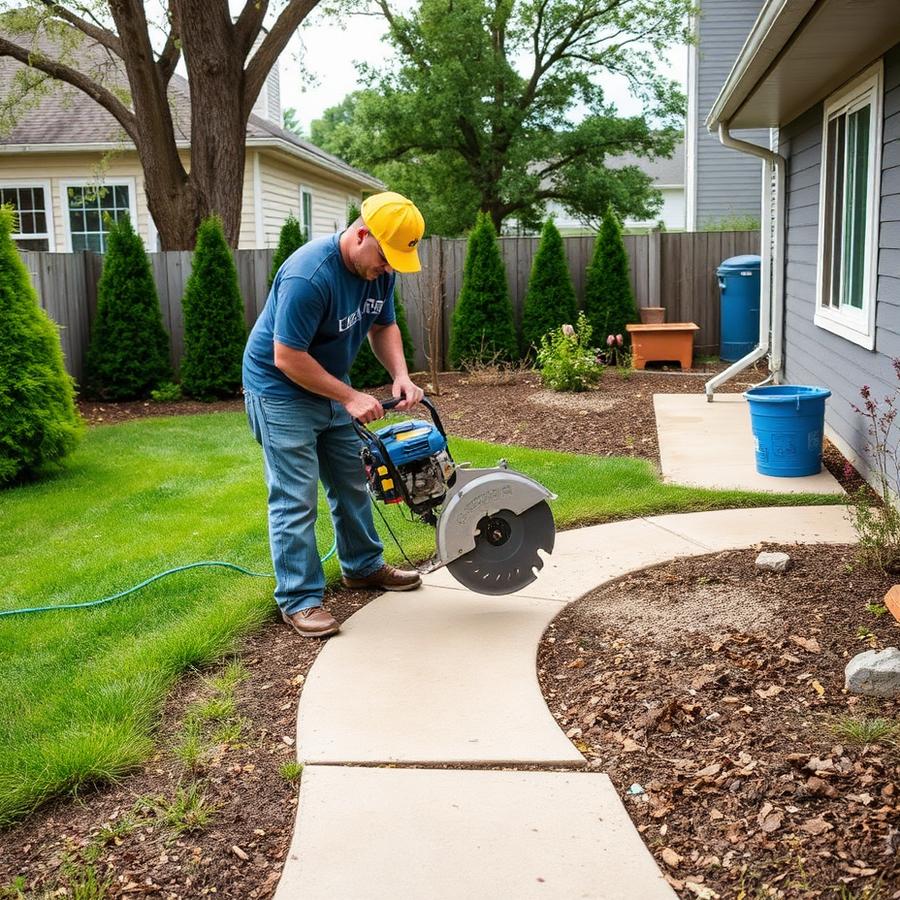
Concrete cutting is frequently required during home renovations. Bathroom upgrades, extensions, drainage work, driveway changes and landscaping projects can all involve modifying existing concrete.
A homeowner may need a core hole for plumbing or a section of slab removed for new drainage. In other situations, a wall may need to be opened to accommodate a new doorway or service.
Residential work also requires consideration for surrounding property. Dust, slurry, noise and access should be managed so the work does not create unnecessary disruption.
Commercial Concrete Cutting
Commercial sites often have tighter schedules and more complicated coordination requirements. Cutting may need to take place around employees, customers, other contractors or ongoing building operations.
A specialist contractor should be able to discuss the timing of the work and identify anything that needs to happen before the crew arrives.
For larger projects, accurate planning can be especially valuable because one delay can affect several trades working behind the cutting crew.
Civil and Infrastructure Applications
Concrete cutting is also widely used in civil and infrastructure work. Roads, footpaths, drainage systems, utility installations and other public works can all require controlled cutting.
These projects may involve larger equipment, restricted work zones and additional site controls. The cutting method should be selected according to the surface, required dimensions and project conditions.
Where work is carried out near existing underground infrastructure, service information and appropriate site procedures should be considered before excavation or cutting begins.
What Makes a Good Concrete Cutting Contractor?
A good contractor combines equipment with practical knowledge. Having a powerful saw is not enough if the operator does not understand the structure, access limitations or requirements of the project.
Look for a contractor that communicates clearly, asks sensible questions before starting and can explain why a particular cutting method is appropriate.
Reliable scheduling also matters. Construction projects often depend on several trades completing work in sequence, so turning up prepared and completing the agreed scope can make a genuine difference.
How to Prepare Your Site
You can help the cutting team work efficiently by providing clear access and removing unnecessary obstacles from the immediate work area.
Where possible, provide drawings, measurements and information about the purpose of the cut. If you know that the concrete contains reinforcement, post-tensioning or embedded services, make sure this information is shared before work begins.
The contractor can then determine whether additional scanning or structural advice is required before cutting.
Why Precision Saves Time
Accurate cutting can make the next stage of a project easier. A clean opening gives plumbers, electricians and other trades a defined space to work with.
By contrast, uncontrolled breaking can create extra debris, damage surrounding concrete and leave a larger area needing repair.
Precision is particularly useful when only a small section needs to be changed. There is little benefit in disturbing more concrete than the project actually requires.
Understanding the Cost
There is no universal price for concrete cutting. The final cost can depend on concrete thickness, cutting depth, reinforcement, access, equipment, number of cuts and the amount of material that needs to be removed.
Complex sites may also require additional preparation, scanning, traffic management or waste handling.
Rather than comparing quotes on price alone, look at the complete scope. A slightly higher quote that includes necessary preparation and removal may provide better overall value than a cheaper quote with important items excluded.
Final Thoughts
Concrete cutting is a specialist task where accuracy, preparation and equipment all matter. Whether the project involves a small service penetration, a slab modification, a large wall opening or road cutting, choosing the appropriate method can make the work considerably more straightforward.
A good concrete cutting company should assess the site before work begins, understand the concrete and surrounding conditions, and explain the proposed approach clearly. Services such as concrete sawing, core drilling, wall sawing, slab cutting, road sawing and GPR scanning may all have a place depending on the project.
Safety should remain part of the planning process, particularly where concrete cutting can generate silica dust or where structural elements and concealed services are involved. Proper preparation can reduce avoidable delays and help protect workers, property and surrounding structures.
If your project requires accurate concrete cutting, drilling, wall sawing, slab sawing or controlled concrete removal in Melbourne, Rapid Sawing & Drilling can assess your requirements and recommend a suitable approach. Visit the contact page to discuss your project and request a quote.
Frequently Asked Questions
1. What does a concrete cutting company do?
A concrete cutting company uses specialised equipment to saw, drill, core, grind or remove concrete in a controlled manner. Services can include slab cutting, wall sawing, road sawing, core drilling and concrete removal for residential, commercial and civil projects.
2. How do I know which concrete cutting method I need?
The correct method depends on the location, thickness and type of concrete, as well as the purpose of the work. Core drilling is suited to circular openings, while slab, floor and wall sawing can create longer or larger controlled cuts.
3. Is GPR scanning necessary before concrete cutting?
It can be particularly useful where reinforcement, conduits, pipes or other concealed features may be present. GPR scanning can provide additional information before drilling or cutting, helping the contractor plan the work more effectively.
4. Does concrete cutting create silica dust?
Yes. Cutting, drilling and grinding concrete can generate respirable crystalline silica dust. Safe Work Australia identifies concrete cutting and drilling among activities that can create silica exposure, so appropriate dust-control measures are important.
5. How much does concrete cutting cost?
The price depends on factors such as concrete thickness, cutting depth, reinforcement, access, equipment requirements and the size of the project. Additional services such as scanning, concrete removal or waste handling may also affect the final cost. A site assessment is the best way to obtain an accurate quote.