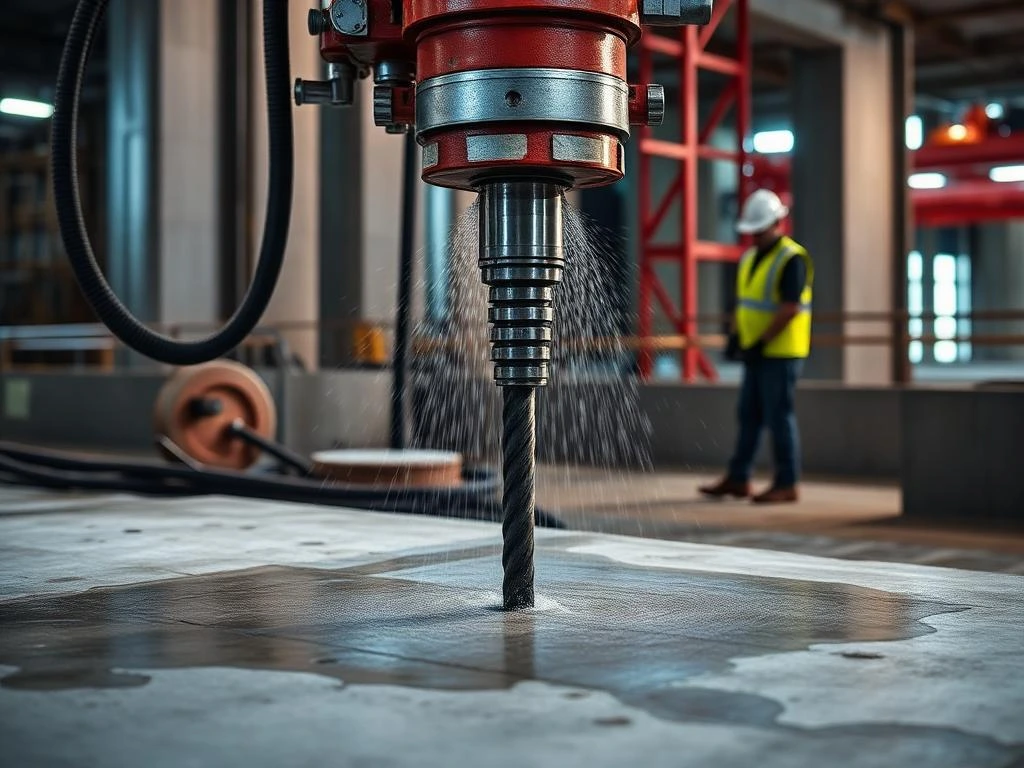
Core drilling Ringwood is used to create precise, circular openings in concrete walls, floors and slabs for plumbing, electrical cables, ventilation and other building services. This specialised drilling method uses diamond-tipped equipment to cut through concrete, including reinforced sections, while helping minimise unnecessary damage to surrounding structures.
Whether you’re renovating your home, upgrading commercial premises or managing a construction project, understanding how concrete core drilling works can help you choose the right solution.
What Is Concrete Core Drilling?
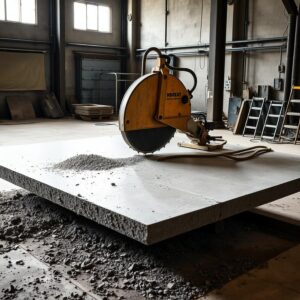
Concrete core drilling is a specialised cutting technique that removes a cylindrical section of concrete using a hollow, diamond-tipped drill bit. Unlike traditional drilling methods, which create smaller holes, core drilling produces larger, accurately measured openings.
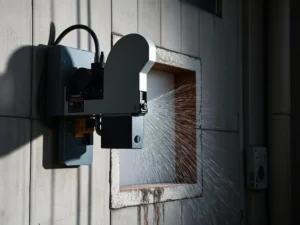
The equipment rotates a diamond core bit against the concrete surface, gradually cutting through the material. Water-fed systems are commonly used to cool the drill bit and suppress harmful dust.
For construction and renovation projects, core drilling Ringwood provides a practical way to create openings without unnecessarily breaking apart surrounding concrete.
Why Is Diamond Core Drilling Used?
Diamond drilling equipment is designed to cut through dense construction materials, including concrete, masonry and reinforced concrete.
Its main advantages include:
- Precision: Creates circular holes with controlled diameters.
- Reduced vibration: Produces less impact vibration than many demolition methods.
- Versatility: Suitable for walls, floors and concrete slabs.
- Controlled cutting: Helps limit damage to surrounding surfaces.
- Flexible applications: Accommodates plumbing, electrical and mechanical installations.
These benefits make diamond core drilling useful for both residential renovations and commercial construction.
Common Uses of Core Drilling Ringwood in Concrete Walls
Concrete walls often require carefully positioned openings when installing new building services.
1. Plumbing and Drainage Installations
Plumbers frequently require openings through concrete walls to accommodate water pipes, waste pipes and drainage connections.
For example, when renovating a bathroom or laundry, existing concrete walls may prevent pipes from reaching their intended location.
Professional core drilling Ringwood can create the necessary openings while avoiding unnecessary demolition.
2. Electrical Cables and Conduits
Electricians use concrete openings to install electrical conduits, communications cables and other building services.
Accurate drilling helps maintain suitable clearances and allows cables to pass through concrete walls without extensive cutting.
Before drilling begins, contractors must identify concealed electrical wiring and other services.
3. Ventilation and Air Conditioning
Air conditioning systems, exhaust fans and mechanical ventilation equipment often require circular openings through walls.
With core drilling Ringwood, contractors can create appropriately sized penetrations for ductwork, pipework and ventilation connections.
These openings may also require suitable sealing, waterproofing or fire-stopping after installation.
How Is Core Drilling Ringwood Used in Concrete Floors?
Concrete floors present different challenges because they may contain reinforcement, embedded services or structural components.
Floor Penetrations for Plumbing
When installing toilets, showers or additional drainage systems, plumbing contractors may need openings through existing concrete slabs.
For example, a commercial property being converted into a café might require new drainage penetrations for kitchen equipment.
Using core drilling Ringwood allows contractors to position these openings accurately according to approved plans.
Electrical and Communication Services
Commercial buildings frequently require floor penetrations for electrical wiring, data cables and communication infrastructure.
Diamond drilling can create controlled openings between building levels, provided the penetrations have been assessed and approved.
Building Maintenance and Upgrades
Existing buildings sometimes require additional openings for mechanical systems, equipment connections or service upgrades.
In these situations, core drilling Ringwood can help accommodate new infrastructure without removing large sections of flooring.
However, any proposed opening must be checked for structural and service-related risks.
Can Core Drilling Cut Through Reinforced Concrete?
Yes. Diamond core drilling equipment can cut through reinforced concrete containing steel reinforcement.
However, cutting through reinforcement is not automatically safe.
Steel bars contribute to the structural performance of concrete walls, beams and slabs. Removing or damaging them without approval may affect structural integrity.
Before undertaking core drilling Ringwood, contractors should confirm whether the proposed drilling location contains reinforcement, post-tensioning tendons or concealed services.
Where necessary, concrete scanning and structural engineering advice can help determine whether drilling can proceed safely.
Post-tensioned slabs require particular care because damaging a tensioned tendon can create serious hazards.
Is Core Drilling Safer Than Breaking Concrete?
Core drilling generally produces less impact vibration than jackhammering and can reduce unnecessary damage when a circular opening is required.
However, it still presents hazards, including airborne silica dust, noise, water runoff and contact with concealed services.
The Australian Government’s Safe Work Australia silica guidance explains the health risks associated with drilling concrete.
For Victorian projects, WorkSafe Victoria’s Safe Concrete Cutting and Drilling Industry Standard provides guidance on managing associated workplace hazards.
Professional core drilling Ringwood should involve appropriate dust suppression, equipment selection and site-specific safety controls.
What Happens During the Core Drilling Process?
Understanding the process can help you prepare your property before work begins.
A typical concrete drilling project involves:
- Site inspection: Assess concrete thickness, access and drilling requirements.
- Service identification: Locate potential electrical cables, pipes and reinforcement.
- Equipment selection: Choose the appropriate diamond core bit and drilling system.
- Area preparation: Establish safety controls and manage water or dust.
- Controlled drilling: Cut the required circular opening.
- Site clean-up: Remove the concrete core and manage slurry or debris.
For core drilling Ringwood, proper preparation helps reduce delays and avoid damage to surrounding materials.
The exact procedure depends on the structure, drilling location and site conditions.
When to Call a Professional
Although small holes in masonry may be suitable for some DIY projects, larger concrete penetrations require specialised equipment and careful planning.
Professional assistance is particularly appropriate when drilling through reinforced concrete, structural walls, suspended slabs or areas containing concealed services.
If you’re planning core drilling Ringwood, Rapid Sawing & Drilling can be contacted to discuss your project requirements and the intended drilling location.
Providing drawings, hole dimensions and access information can help establish the appropriate next steps.
Conclusion
Core drilling is a practical method for creating accurate openings in concrete walls and floors. Its applications include plumbing, electrical installations, ventilation and building upgrades.
For safe results, contractors must consider structural integrity, concealed services and silica dust exposure before drilling begins.
If your upcoming project requires core drilling Ringwood, contact Rapid Sawing & Drilling to discuss your concrete drilling requirements and arrange an assessment.
Frequently Asked Questions
1. What is core drilling used for in concrete?
Core drilling creates circular holes through concrete walls, floors and slabs. Common applications include installing plumbing pipes, electrical conduits, ventilation systems and drainage connections.
2. Can core drilling damage a concrete wall?
Core drilling is designed to create controlled openings, but incorrect placement can damage reinforcement or concealed services. Structural assessment and careful planning help minimise these risks.
3. Can core drilling be performed indoors?
Yes. Indoor drilling is possible when suitable equipment, ventilation, dust suppression and water management controls are used. Contractors must also protect nearby occupants and surfaces.
4. How deep can concrete core drilling go?
Drilling depth depends on the equipment, core bit, concrete thickness and site conditions. Specialist drilling systems can accommodate deeper penetrations, although structural approval and safe access may be necessary.