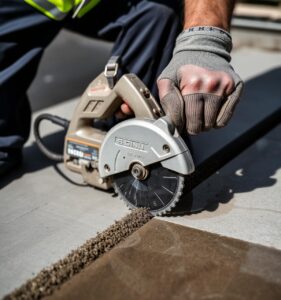
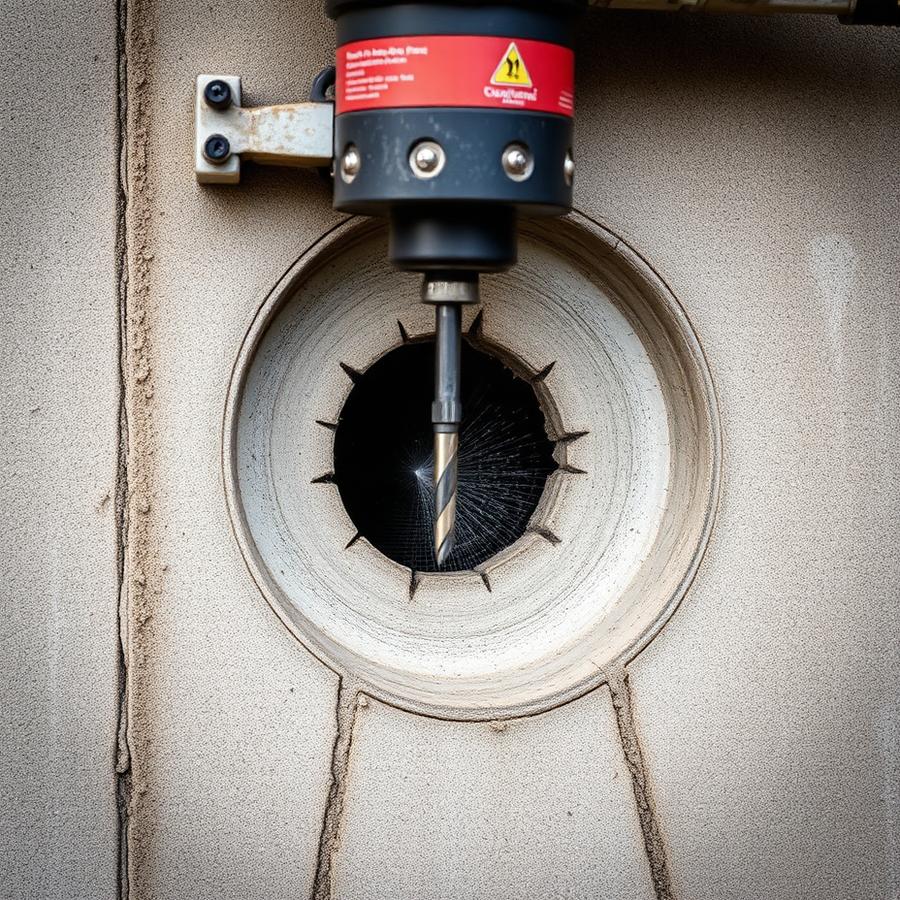
Drilling into concrete without understanding what lies beneath the surface can lead to expensive repairs, project delays, and serious safety hazards. Hidden reinforcement, electrical conduits, post-tension cables, plumbing, and other embedded services are often impossible to identify with the naked eye. That’s why GPR Concrete Scanning has become an essential step before any concrete cutting, drilling, or demolition work.
Ground Penetrating Radar (GPR) technology allows contractors to inspect concrete structures without causing damage. By accurately locating embedded objects before drilling begins, GPR scanning helps protect workers, preserve structural integrity, and reduce costly mistakes.
Whether you’re planning renovations, commercial construction, infrastructure upgrades, or industrial modifications, understanding how GPR scanning works can save both time and money.
What Is GPR Concrete Scanning?
GPR Concrete Scanning is a non-destructive testing (NDT) method that uses high-frequency radar waves to detect objects hidden inside concrete structures.
Unlike destructive inspection methods, GPR scanning allows technicians to safely locate:
- Reinforcing steel (rebar)
- Post-tension cables
- Electrical conduits
- Water pipes
- Plastic pipes
- Voids and cavities
- Embedded utilities
- Structural defects
The process provides real-time information, allowing contractors to determine the safest drilling or cutting locations before work begins.
How Does GPR Concrete Scanning Work?
Ground Penetrating Radar equipment sends electromagnetic waves into the concrete surface.
When these waves encounter an object with different material properties, part of the signal reflects back to the scanner. The equipment analyses these reflections and creates a detailed subsurface image.
Experienced technicians interpret these images to identify:
| Detectable Objects | Purpose |
| Rebar | Avoid structural damage |
| Post-tension cables | Prevent catastrophic failures |
| Electrical conduits | Improve worker safety |
| Water pipes | Prevent service interruptions |
| Voids | Identify structural weaknesses |
| Embedded utilities | Enable accurate drilling locations |
This information allows contractors to complete concrete drilling services with greater confidence and accuracy.
Why Is GPR Concrete Scanning Important Before Drilling?
Concrete drilling without prior scanning carries significant risks.
Hidden services cannot be seen once concrete has cured, making it impossible to know exactly where drilling is safe.
GPR scanning helps minimise:
- Damage to structural reinforcement
- Electrical hazards
- Water leaks
- Gas line strikes
- Unexpected project delays
- Repair costs
- Workplace accidents
By identifying concealed objects beforehand, contractors can safely complete concrete hole drilling while protecting both workers and the surrounding structure.
Benefits of GPR Concrete Scanning
1. Improves Site Safety
Worker safety is one of the biggest advantages of GPR scanning.
Accidentally drilling into live electrical conduits or post-tension cables can have serious consequences. Scanning significantly reduces these risks.
2. Prevents Costly Repairs
Damaging hidden infrastructure often leads to expensive repairs and construction delays.
A quick scan before drilling can prevent:
- Utility repairs
- Concrete replacement
- Engineering assessments
- Insurance claims
3. Supports Accurate Concrete Drilling
Whether performing small anchor installations or large diameter core drilling, precise scanning ensures drilling locations avoid embedded obstacles.
This improves both efficiency and drilling accuracy.
4. Non-Destructive Inspection
Unlike exploratory drilling, GPR scanning leaves the structure completely intact.
There is:
- No unnecessary damage
- No demolition
- No repair work
- No interruption to surrounding areas
5. Faster Project Completion
Knowing exactly where hidden services are located allows contractors to work more efficiently.
Fewer unexpected discoveries mean fewer delays.
What Can GPR Detect?
Modern GPR equipment can identify a wide range of embedded materials.
Common findings include:
- Reinforcing steel
- Mesh reinforcement
- Post-tension tendons
- Electrical conduits
- Fibre optic cables
- Water pipes
- Plastic conduits
- Air pockets
- Concrete thickness
- Structural voids
Detection capability depends on concrete composition, moisture content, and scanning depth.
Industries That Benefit from GPR Concrete Scanning
GPR technology is widely used across Australia’s construction industry.
Common applications include:
Commercial Buildings
Before installing services or structural modifications.
Residential Construction
For renovations requiring safe drilling or cutting.
Civil Infrastructure
Roads, bridges, tunnels, and public works projects.
Industrial Facilities
Factory upgrades and equipment installations.
Hospitals and Schools
Minimising disruption while safely locating hidden utilities.
GPR Scanning vs Traditional Detection Methods
| Feature | GPR Concrete Scanning | Traditional Detection |
| Non-destructive | Yes | Often No |
| Detects plastic conduits | Yes | Limited |
| Real-time results | Yes | Sometimes |
| High accuracy | Excellent | Moderate |
| Structural damage | None | Possible |
| Project downtime | Minimal | Higher |
For most modern construction projects, GPR offers greater flexibility and accuracy.
When Should You Arrange GPR Scanning?
Professional scanning should be completed before:
- Concrete core drilling
- Anchor installations
- Structural alterations
- Concrete wall cutting
- Slab cutting
- Mechanical service installation
- Electrical upgrades
- Plumbing works
- Demolition
- Renovation projects
Completing GPR scanning early helps avoid unexpected issues during construction.
Choosing a Professional GPR Concrete Scanning Company
Not all scanning services deliver the same level of accuracy.
Look for a contractor that offers:
- Experienced scanning technicians
- Modern radar equipment
- Accurate interpretation of scan data
- Fast reporting
- Commercial and residential experience
- Compliance with Australian safety standards
Working with experienced professionals improves confidence before beginning any concrete sawing and drilling project.
For projects involving cutting, drilling, or coring, it’s also important to ensure scanning is integrated into the overall work process. Learn more about safe drilling practices in our guide on What’s the Difference Between Core Drilling and Concrete Sawing? and discover how proper planning reduces hazards in How Concrete Sawing and Drilling Minimise Construction Risks.
For additional guidance on safe excavation and utility detection practices, refer to Safe Work Australia, which provides authoritative information on managing risks associated with underground and embedded services.
Conclusion
GPR Concrete Scanning has become an essential part of modern construction because it improves safety, protects structural integrity, and helps projects run more efficiently. By identifying hidden reinforcement, utilities, and other embedded objects before drilling begins, contractors can significantly reduce the risk of costly mistakes and unexpected delays.
Whether you’re undertaking a commercial development, industrial upgrade, or residential renovation, investing in professional GPR scanning provides valuable information that supports safer and more accurate construction work. Combined with expert drilling and cutting services, it ensures every project starts with confidence and precision.
Need Professional GPR Concrete Scanning?
Rapid Sawing & Drilling provides reliable GPR concrete scanning, concrete drilling, core drilling, and concrete sawing services across Melbourne. Our experienced team uses advanced equipment to accurately locate hidden services before work begins, helping you complete your project safely, efficiently, and with minimal disruption. Contact us today to discuss your project requirements and arrange a professional site assessment.
Frequently Asked Questions
How accurate is GPR concrete scanning?
Modern GPR equipment is highly accurate when operated by experienced technicians and can detect a wide range of embedded objects within concrete structures.
Can GPR detect plastic pipes?
Yes. Unlike some traditional detection methods, GPR can often locate both metallic and non-metallic services, including plastic conduits.
Is GPR scanning safe?
Yes. GPR uses low-energy electromagnetic waves and is considered a safe, non-destructive inspection method
Does every drilling project require GPR scanning?
While not mandatory for every project, scanning is strongly recommended whenever there is uncertainty about hidden services or reinforcement.
Can GPR scanning be used before large diameter core drilling?
Absolutely. It is particularly valuable before large diameter core drilling, where avoiding reinforcement and embedded utilities is critical.