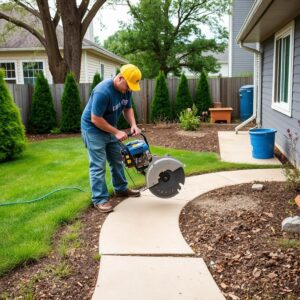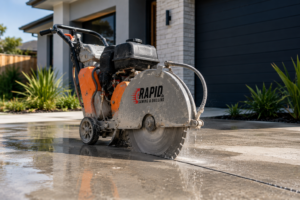
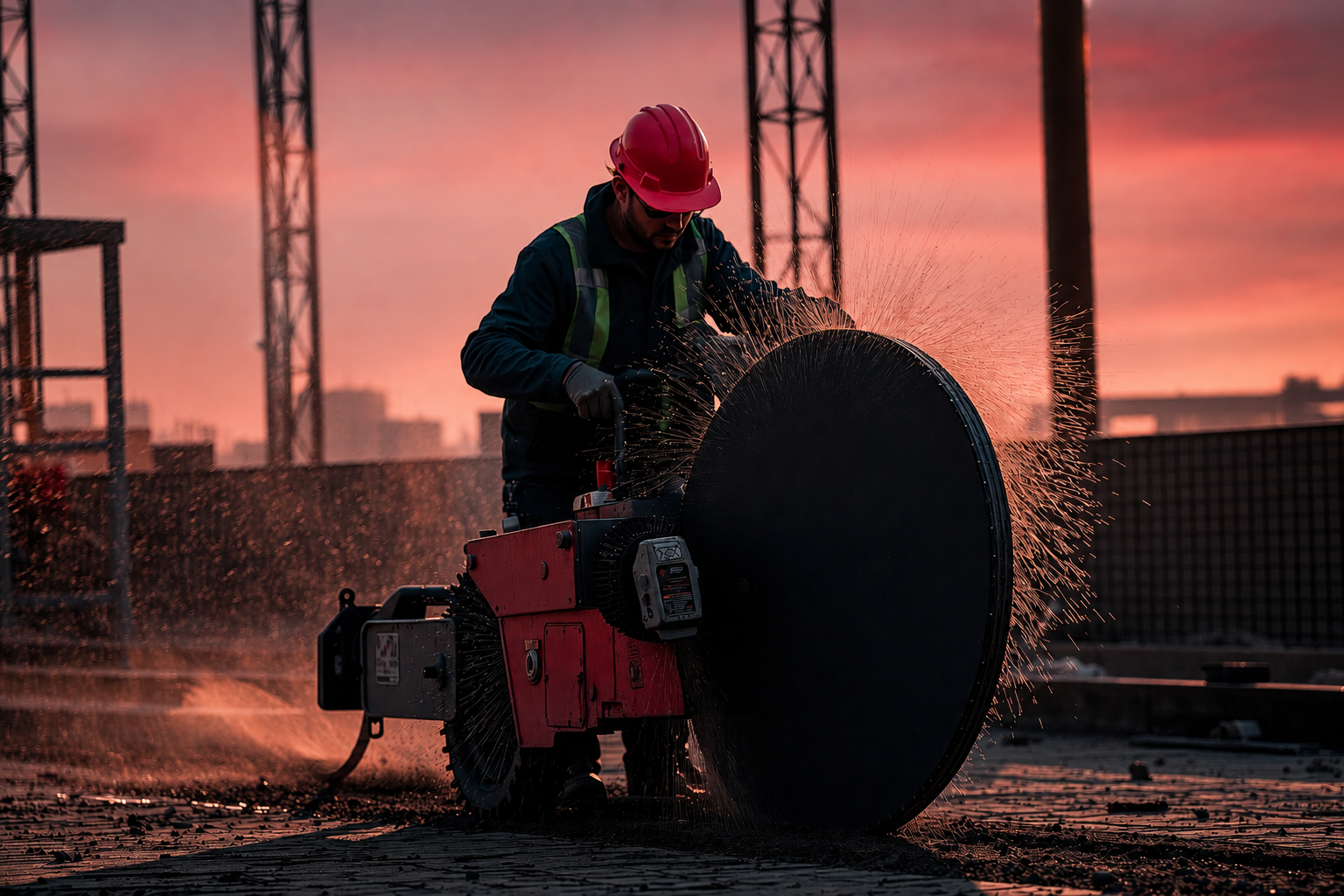
Professional concrete cutting controls dust and slurry by using specialised equipment, water suppression methods, vacuum systems, and careful site management. These techniques reduce airborne particles, minimise mess, and help maintain safer work environments for residential, commercial, and civil projects across Australia.
Concrete cutting creates significant challenges when not properly managed. Fine concrete dust can spread through work areas, while slurry from wet cutting can create slippery surfaces and environmental concerns. Understanding how experienced contractors manage these by-products helps you choose safer and more efficient solutions for your project.
Why Dust and Slurry Control Matters During Concrete Cutting
Concrete contains materials such as cement, sand, and aggregates that produce fine particles when cut, drilled, or removed. Without proper controls, these particles can become airborne and affect air quality around the work area.
Dust management is especially important in enclosed spaces such as warehouses, car parks, commercial buildings, and residential renovations. Excessive concrete dust can create additional cleaning requirements and may impact workers, occupants, and nearby areas.
Slurry management is equally important during wet cutting processes. The mixture of water and concrete residue can spread across surfaces, enter drainage systems, or create additional hazards if it is not collected and disposed of correctly.
Professional contractors use planned methods to control these issues before cutting begins, ensuring the work area remains organised and compliant with safety expectations.
How Professional Concrete Cutting Controls Dust and Slurry on Site
Experienced concrete cutting teams use a combination of equipment, preparation, and industry practices to reduce the impact of cutting activities. These methods include:
- Water suppression systems
Wet cutting uses a controlled water supply to reduce heat and capture concrete particles before they become airborne. This is one of the most effective ways to minimise dust during cutting operations. - Industrial vacuum extraction
Vacuum systems collect dust and debris close to the cutting point, helping maintain cleaner work areas and reducing airborne contamination. - Slurry collection and containment
Professional operators use specialised equipment to capture concrete slurry instead of allowing it to spread across surfaces or enter stormwater systems. - Site preparation and protection
Covering nearby areas, isolating work zones, and planning access routes help prevent unnecessary contamination during concrete removal projects.
At Rapid Sawing & Drilling, controlled cutting techniques are used to help clients complete projects with less disruption and improved site cleanliness.
The Role of Wet Cutting in Reducing Concrete Dust
Wet cutting is widely used across Australian construction, renovation, and demolition projects because water helps control dust at the source. The water binds with fine concrete particles, preventing them from becoming airborne during the cutting process.
This method is commonly used for:
- Concrete slab cutting
- Wall sawing
- Core drilling
- Road and pavement cutting
- Expansion joint cutting
While wet cutting is effective, it also produces slurry that must be carefully managed. Professional operators understand that dust control is only one part of responsible concrete cutting. Proper collection, removal, and disposal of slurry are essential parts of the process.
Australian Safety Considerations for Concrete Cutting Projects
Concrete cutting contractors must follow workplace health and safety practices to reduce risks associated with silica dust exposure. Respirable crystalline silica can be generated when materials containing silica, including concrete, are mechanically cut or drilled.
Australian workplaces are required to manage silica-related risks under workplace health and safety regulations. Safe work practices may include using appropriate engineering controls, maintaining equipment correctly, and following suitable personal protective equipment requirements.
Professional contractors also consider environmental responsibilities when handling concrete slurry. Preventing slurry from entering waterways, drains, or surrounding properties helps protect the local environment and keeps projects compliant.
Common Projects That Require Dust and Slurry Management
Concrete cutting is used across many industries where controlled work methods are essential. Common applications include:
- Residential renovations requiring concrete modifications
- Commercial building upgrades and repairs
- Plumbing and electrical penetrations through concrete
- Civil construction and infrastructure works
- Factory and warehouse modifications
- Road and pavement repairs
Each project has different requirements depending on the material thickness, location, access conditions, and surrounding environment. A professional assessment helps determine the most suitable cutting approach.
Why Professional Equipment Makes a Difference
Attempting concrete cutting without the right equipment can create unnecessary dust, excessive mess, and safety concerns. Professional contractors use purpose-built machinery designed for accuracy, efficiency, and controlled operation.
Specialised equipment allows operators to make cleaner cuts while reducing damage to surrounding structures. This is particularly important when working near existing walls, reinforcement materials, plumbing, electrical services, or finished surfaces.
Rapid Sawing & Drilling applies industry experience and suitable cutting methods to help manage the challenges associated with concrete modification projects throughout Australia.
How to Prepare Your Site Before Concrete Cutting Begins
Good preparation helps improve safety and efficiency before cutting work starts. Property owners and project managers can assist by:
- Removing unnecessary items from the work area
- Providing clear access for equipment and operators
- Informing contractors about nearby services or restrictions
- Protecting furniture, equipment, or finished surfaces
- Discussing dust and slurry management requirements beforehand
Clear communication between clients and contractors helps prevent delays and ensures the project runs smoothly.
When to Call a Professional
Professional concrete cutting controls dust and slurry more effectively because trained operators have access to specialised machinery, safety procedures, and proven techniques. If your project involves concrete removal, drilling, sawing, or structural modifications, working with an experienced contractor can help reduce risks and improve results.
Rapid Sawing & Drilling provides concrete cutting solutions designed for residential, commercial, and industrial projects across Australia. Contact the team to discuss your requirements and arrange a suitable approach for your next concrete cutting project.
Conclusion
Concrete cutting requires more than just powerful equipment. Managing dust and slurry correctly protects workers, keeps sites cleaner, and helps projects meet Australian safety expectations.
By using water suppression, extraction systems, proper slurry collection, and experienced operators, professional concrete cutting teams can complete work with fewer disruptions. For reliable concrete cutting support, contact Rapid Sawing & Drilling to discuss your project needs.
Frequently Asked Questions
What is the safest way to control dust during concrete cutting?
The safest approach involves using wet cutting methods, dust extraction equipment, and suitable safety controls. Professional operators combine these methods to reduce airborne concrete particles.
Why does concrete cutting create slurry?
Concrete cutting often uses water to cool blades and reduce dust. This creates a mixture of water and concrete residue known as slurry, which needs proper collection and disposal.
Can concrete slurry go into stormwater drains?
No. Concrete slurry should not enter stormwater systems because it can affect drainage systems and the surrounding environment. Professional contractors use containment methods for responsible disposal.
Do all concrete cutting jobs require wet cutting?
Not always. The most suitable method depends on the project requirements, location, material type, and safety considerations. A professional assessment helps determine the right approach.