Service penetrations allow essential systems such as plumbing, electrical, ventilation and communications to pass through concrete structures without compromising safety. How Service Penetrations Are Cut Through Concrete Safely depends on accurate planning, advanced equipment and experienced operators who understand structural requirements.
Concrete cutting professionals use methods such as core drilling, scanning technology and controlled cutting techniques to create precise openings while protecting the surrounding structure. Whether it is a commercial project or a residential renovation, correct preparation helps prevent unnecessary damage and costly repairs.
Why Service Penetrations Require Careful Concrete Cutting
Concrete structures are designed to provide strength, stability and durability. Cutting openings into slabs, walls or foundations without proper assessment can weaken the structure or damage hidden services.
Before any drilling or cutting begins, professionals assess the concrete thickness, reinforcement layout and the location of existing services. This ensures the penetration is placed correctly and reduces the risk of hitting electrical conduits, water pipes or structural reinforcement.
Common situations where service penetrations are required include:
- Installing plumbing pipes through concrete slabs
- Creating openings for electrical cables and conduits
- Adding ventilation or air conditioning ductwork
- Installing communication and data cabling
- Modifying existing buildings during renovations
A planned approach ensures the work is completed efficiently while maintaining the integrity of the concrete structure.
Understanding How Service Penetrations Are Cut Through Concrete Safely
How Service Penetrations Are Cut Through Concrete Safely starts with detailed preparation before any equipment touches the surface. Professional concrete cutters follow a structured process to achieve accurate results.
1. Concrete Scanning and Site Assessment
The first step is identifying what is inside the concrete. Reinforced concrete often contains steel reinforcement, post-tension cables, electrical wiring and plumbing services.
Concrete scanning equipment helps locate hidden materials before drilling begins. This step is particularly important in commercial buildings, apartment complexes and large infrastructure projects where unexpected damage can create significant delays.
A proper assessment also considers building plans, penetration size requirements and the purpose of the opening.
2. Selecting the Right Cutting Method
Different projects require different techniques. The correct method depends on the size, depth and location of the penetration.
Core drilling is one of the most common solutions for creating clean circular openings through concrete. It is used for pipes, cables, ventilation systems and mechanical installations.
Other methods may include wall sawing or controlled concrete cutting when larger or differently shaped openings are required.
At Rapid Sawing & Drilling, experienced operators select equipment based on the project requirements rather than using a one-size-fits-all approach.
3. Using Precision Equipment
Modern concrete cutting equipment allows operators to create accurate penetrations with minimal disruption. Diamond core drills are commonly used because they provide smooth cuts through reinforced concrete.
Benefits of professional equipment include:
- Cleaner openings with accurate dimensions
- Reduced vibration compared with traditional methods
- Less risk of surrounding concrete damage
- Faster completion times
- Improved workplace safety
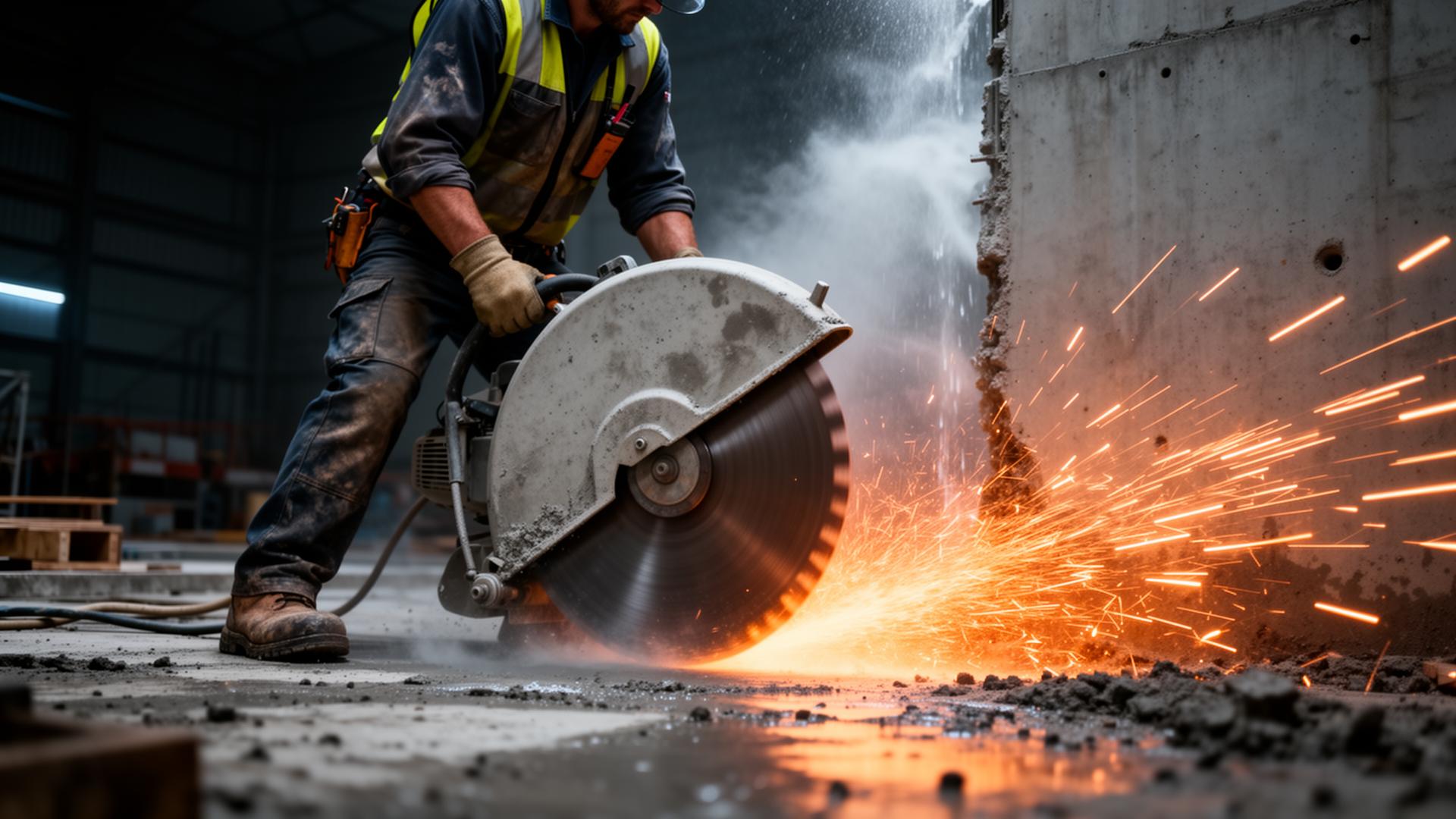
Water suppression systems are also often used during concrete cutting to control dust and improve cutting performance.
The Importance of Structural Safety During Concrete Penetrations
Concrete penetrations must be completed with consideration for Australian construction requirements and workplace safety practices.
Incorrect drilling can affect load-bearing components, reinforcement bars or critical structural elements. For larger projects, engineers may need to approve penetration locations before work begins.
Australian construction projects commonly follow relevant requirements under the National Construction Code (NCC) and workplace health and safety regulations. These guidelines help ensure building modifications are completed responsibly.
Experienced concrete cutting contractors understand that precision is just as important as speed. A correctly positioned penetration protects the building while allowing other trades to complete their installations efficiently.
Common Mistakes When Cutting Concrete Openings
Attempting concrete cutting without professional knowledge can create avoidable problems. Some common mistakes include:
- Drilling without checking for hidden services
- Cutting through reinforcement without approval
- Using unsuitable equipment for the concrete type
- Creating inaccurate opening sizes
- Ignoring dust and slurry management requirements
These issues can lead to additional repair work, project delays and increased costs.
Professional contractors take the time to plan each stage properly, ensuring the finished penetration meets the required specifications.
Benefits of Hiring Experienced Concrete Cutting Specialists
Choosing an experienced contractor provides confidence that the work will be completed safely and accurately.
Professional concrete cutting specialists provide:
- Accurate measurements and placement
- Advanced scanning before cutting
- Knowledge of reinforced concrete structures
- Safe equipment operation
- Efficient completion with minimal disruption
For builders, electricians, plumbers and facility managers, reliable concrete penetration services help keep projects moving without unnecessary complications.
When to Call a Professional
If your project requires openings through concrete walls, floors or slabs, professional assistance can help prevent structural issues and costly mistakes.
Rapid Sawing & Drilling provides specialised concrete cutting and drilling services for residential, commercial and industrial projects across Australia. Their team uses suitable equipment and careful planning to complete service penetrations safely and efficiently.
Contact Rapid Sawing & Drilling to discuss your concrete cutting requirements and arrange a professional assessment for your project.
Conclusion
Creating safe openings in concrete requires more than simply drilling a hole. Proper planning, scanning, equipment selection and experienced workmanship all play an important role in protecting the structure and achieving accurate results.
Understanding How Service Penetrations Are Cut Through Concrete Safely helps property owners, builders and contractors make informed decisions before modifying concrete structures.
For dependable concrete cutting solutions, speak with Rapid Sawing & Drilling and ensure your next project is completed with precision and care.
Frequently Asked Questions
What are service penetrations used for in concrete?
Service penetrations create openings that allow plumbing, electrical wiring, ventilation systems and other services to pass through concrete floors, walls and slabs.
How do professionals check concrete before drilling?
Professionals use concrete scanning equipment to identify reinforcement, cables, pipes and other hidden materials before cutting begins.
Can concrete cutting damage a building structure?
Poorly planned cutting can damage reinforcement or structural components. Professional assessment and correct cutting techniques help prevent these risks.
What equipment is used for concrete penetrations?
Common equipment includes diamond core drills, concrete scanners and specialised cutting tools designed for accurate and controlled openings.